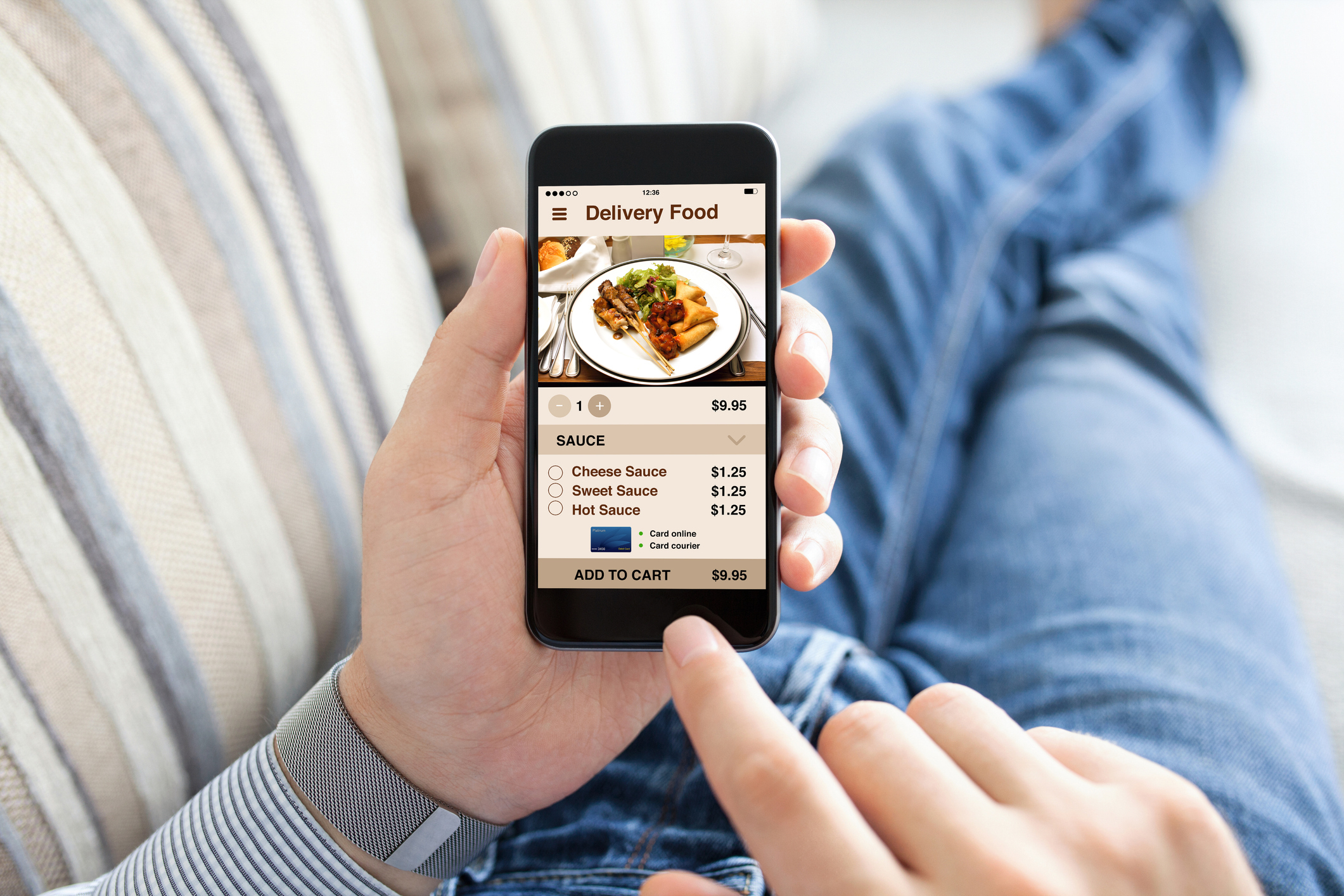

Nearly three-quarters of United States restaurant traffic now takes place off-premises, through takeout and delivery.
Restaurant brands were built when the product came with a physical location. The dining room, service, atmosphere and location all helped shape what customers thought they were buying and what they were prepared to pay.
Much of that disappears on a delivery app, making restaurants that once felt very different look remarkably similar on a screen. The customer may see little more than a restaurant name, menu, photographs, price, rating and delivery time.
Companies can also enter markets without conventional storefronts, run several concepts from one kitchen, adapt individual dishes to new formats or change how food is prepared.
The risk is spending money reproducing parts of the restaurant that customers do not value, or removing something that was giving the brand more value than anyone realised.
A familiar name is not necessarily a valuable one
A restaurant group may be spending heavily to make its name familiar without knowing how much that name actually changes the order.
DoorDash’s 2025 Delivery Trends Report, based on a survey of 1,504 United States consumers, found that menu selection was the leading consideration when trying a new restaurant for delivery or pickup, cited by 61 per cent, followed by menu pricing. Almost half preferred ordering through third-party apps or websites because they found them easier and more convenient.
A realistic delivery-app test can change the conditions around the same restaurant. A higher price, a cheaper competitor, a weaker rating or a longer delivery time shows how much work the name is really doing.
If customers continue choosing the restaurant at a higher price, the brand gives the business room to charge more. If they switch as soon as a cheaper or faster option appears, high awareness may be doing little to protect sales.

A Tuesday lunch and a Saturday family order are different markets
Someone ordering a particular pizza may search for the restaurant that makes it. A family of four may care more about finding food that everyone wants. Delivery speed can decide a work lunch, while a weekend dinner may leave more room for a favourite dish or restaurant.
Wonder, a US food technology company that operates multi-brand food halls and its own ordering app, goes well beyond a conventional cloud kitchen. A cloud kitchen mainly provides production space for food sold for delivery. Wonder brings more than 20 restaurant concepts into one location, where customers can mix dishes from different menus in a single order for dine-in, pickup or delivery. In Greater Boston, the company said it had fulfilled more than 200,000 orders by June 30, 2026.
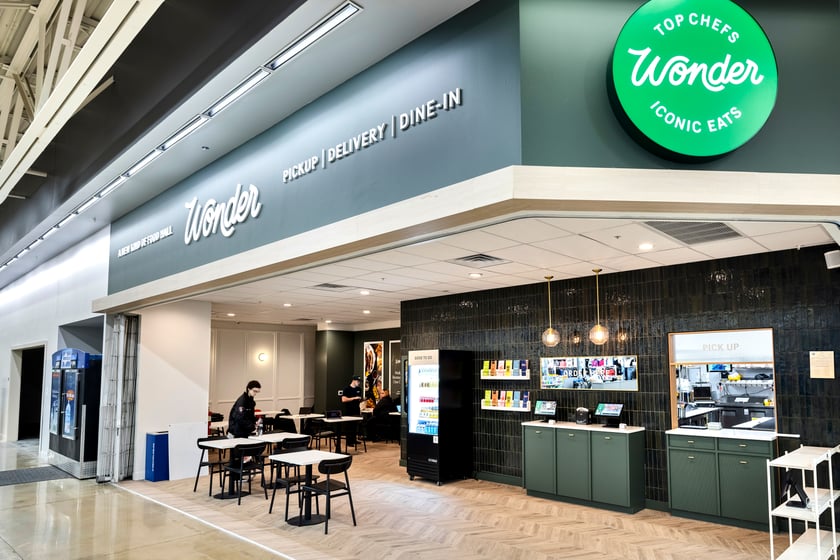
Wonder completed its acquisition of Grubhub in January 2025, bringing a national restaurant marketplace into the same company. Restaurants available through Grubhub have since begun appearing in the Wonder app alongside Wonder’s own concepts and other meal options.
As models like Wonder become more common, a restaurant may no longer compete within a cuisine or even against another restaurant in the traditional sense.
A pizza restaurant may be competing with another pizza restaurant, with Thai food or barbecue, and with the convenience of allowing several people to order what they want in a single transaction.
Recent orders can show when convenience begins to outweigh restaurant preference: who was being fed, what alternatives were considered, how quickly the food was needed and why one option won. Recreating those occasions can also reveal competition between brands in the same portfolio that appear distinct on paper.
The dish may travel further than the restaurant name
Some of the most valuable assets in a restaurant business may be smaller than the restaurant itself.
A signature dish can become familiar enough to attract customers on its own. A product name, recipe or small part of the menu may keep its appeal even when the dining room disappears.
For a restaurant considering a delivery-only concept, retail product or licensed extension, the same product can be tested under the original restaurant name, under a new name linked to it or without the restaurant name at all.
If people still want the product without the restaurant name, it may have room to move into retail, licensing or new delivery formats. If demand falls sharply, the restaurant name is doing more of the work. If the extension makes the original restaurant feel less special, new sales may weaken the business that created the demand.
How much can the kitchen of the future change?
Central preparation, shared kitchens and common cooking systems can reduce costs and make expansion easier.
Food prepared in different ways can first be tested without customers knowing how it was made. Taste, freshness, appearance and portion size show whether the production change affects the meal itself.
A second group can be told how the food was prepared.
If the food performs well until customers learn how it was made, the issue lies in what they expect from the restaurant. If it scores poorly before anyone knows how it was prepared, the cost-saving changes the product.
Customers may accept central preparation for one dish but expect another to be made fresh on site.
The platform can own the discovery
DoorDash reported in 2026 that 55 per cent of first-time orders on its platform came from customers who were browsing rather than searching for a particular restaurant.
Search position, recommendations, promotions, ratings, and delivery times can decide which restaurants those customers see.
Moving the same restaurant up and down a realistic delivery app, removing a recommendation or placing a stronger-rated competitor above it, can show whether customers still seek the restaurant out.
Customers who keep searching are showing demand for the restaurant itself. Those who switch when its position changes are more influenced by the platform.
What happens after that first order can be just as important. DoorDash’s 2026 research found that 79 per cent of delivery customers also dine in at the same restaurant.
A customer may discover a restaurant on a delivery app, enjoy the meal and search for it by name next time. They may order directly, visit one of its locations or join its loyalty program.
Another customer may enjoy exactly the same meal but remember mainly that the app found them something suitable. Next time, they return to the platform and choose again from whatever appears. Those customers can look identical in the first-order sales data.
A restaurant that regularly turns marketplace discovery into direct demand can value that first order differently from one that has to compete for the same customer again every time they open the app.
Planning a new delivery model, virtual kitchen concept or market expansion? Kadence can help identify which parts of the restaurant customers will still seek out, pay more for and follow into a new format. We can test those decisions before investment is committed, from pricing and portfolio choices to delivery platforms, menu extensions and new operating models.
FAQs
Do restaurant brands still matter on food delivery apps?
Yes, but recognition does not show how much the name influences an order. The stronger test is whether customers still choose the restaurant when another option is cheaper, faster, better rated or easier to find.
What is the difference between a cloud kitchen and a virtual restaurant?
A cloud kitchen prepares food mainly for delivery or pickup and often has no dining room. A virtual restaurant is a restaurant brand that operates from an existing or shared kitchen without its own physical location.
How do food delivery platforms influence restaurant choice?
Delivery apps influence which restaurants people see through search results, recommendations, promotions, ratings and delivery times. Changing those factors in research can show whether customers are choosing the restaurant or responding to how the app presents it.
Can a restaurant brand grow without opening more restaurants?
Potentially. Restaurant names, signature products and menus can move into delivery-only concepts, licensing, retail and shared kitchens. Research can show which parts customers will follow before the company invests.
How can restaurant brands measure what customers are willing to pay?
A realistic ordering test can change the restaurant, price, rating, delivery time and competing options. The point at which customers choose something else shows how much extra they are prepared to pay.