
Harley-Davidson’s latest turnaround plan is aimed at a problem the luxury motorcycle market can no longer avoid: its most loyal riders are ageing faster than its next customers are arriving.
In May, the company unveiled a new “Back to the Bricks” plan that puts lower-priced motorcycles at the centre of its next phase. Reuters reported that the strategy is designed to help Harley reach Millennial and Gen Z riders after years of relying heavily on older, affluent customers who buy high-margin touring bikes. The plan also gives dealers a larger role in the company’s recovery, with Harley saying its retail network remains one of its main advantages.
Across the premium end of the category, brands built on heritage and performance are trying to stay relevant to consumers who may admire motorcycles but see no clear place for themselves in the culture around them.
The strongest motorcycle brands were built on more than engineering. A bike carried status and identity, but the feeling came from everything around it: the sound, the ritual, the pride of ownership, and the sense of belonging to a visible culture. For Baby Boomers and Gen X, brands such as Harley-Davidson, BMW Motorrad, Ducati, and Triumph became part of adult life, tied to mechanical pride and self-expression.
Older riders still matter, as they bring spending power, loyalty, and the confidence to buy expensive machines. For Harley-Davidson, they also remain central to the economics of touring bikes and the high-margin world around them, from service to customisation.
The risk is bigger than the next sale. Premium motorcycle brands make money long after the bike is sold, through service, financing, customisation, and resale. If new riders enter through used bikes, rentals, creators, or informal communities without a clear route back to the brand, Harley may keep its awareness while losing control of the relationship.

Dealers now have to reduce the fear of getting it wrong
A premium motorcycle showroom can inspire a new rider, but it can also expose how little they know. The machine is expensive, the language is technical, and the culture can feel closed to anyone who did not grow up around bikes.
The dealer has become far more important than a sales channel. For younger consumers, the first serious conversation with a brand may happen across the showroom floor, not on a campaign page. The person explaining the bike and the realities of ownership can either make the purchase feel possible or push the buyer back into hesitation.
Harley-Davidson’s renewed dealer focus is commercially important because dealers are where aspiration either becomes confidence or turns into doubt. For many first-time buyers, the bigger hurdle is not price - it is uncertainty. They need someone who can explain ownership without assuming prior knowledge.
Training and rider support belong in the same conversation. Harley-Davidson’s Riding Academy, Ducati’s DRE Riding Academy, and BMW Motorrad’s rider-assist technologies all point to the same shift: confidence is now part of what a premium motorcycle brand has to sell. A rider who feels prepared is easier to bring into the category than one who feels exposed by it.
Customisation is where heritage becomes personal
Luxury motorcycle brands have always understood the power of the individual machine. Two riders may buy the same model, but the bike rarely stays the same for long. The product becomes more valuable when the rider can make it feel unmistakably their own.
This level of personalisation matters to Millennials and Gen Z because identity is no longer fixed around one version of adulthood. A motorcycle has to feel adaptable to how someone lives, travels, and presents themselves. The appeal comes less from joining a ready-made image and more from shaping the machine until it feels personal.
Harley-Davidson has created a market advantage with its parts and accessories business, which gives the brand a way to keep the relationship active after the sale while letting riders build a Harley that does not look like it was inherited from another generation.
Riders often spend years changing and upgrading a motorcycle after purchase, giving brands more opportunities to stay involved.
In a category where major purchases are infrequent, the aftermarket gives riders more reasons to return, spend, and stay connected between motorcycles.
Electric motorcycles need their own emotional case
Electric motorcycles are often seen as the obvious choice for younger consumers. The logic is tempting: Millennial and Gen Z buyers are more climate-aware, more open to technology, and less attached to the mechanical codes that shaped older motorcycle culture.
The reality is more complicated. A motorcycle is one of the few mobility products where sound, vibration, and mechanical feel are part of the appeal. Removing those cues changes the product emotionally. An electric motorcycle may be cleaner, quieter, and easier to maintain, but it also has to explain what replaces the drama of the machine.
Harley-Davidson’s LiveWire shows how difficult that shift can be. LiveWire sold 612 electric motorcycles in 2024 and 653 in 2025, a modest increase from a small base. Revenue from electric motorcycles fell 28% in 2025, even as unit sales rose, because the company used incentives to stimulate demand. The segment still posted an operating loss of $73.8 million that year.
Younger consumers will not adopt electric motorcycles simply because they are electric. Riders often spend years changing and upgrading a motorcycle after purchase, giving brands more opportunities to stay involved: urban riding, instant acceleration, reduced maintenance anxiety, and a different design language.
Asia shows how heritage can recruit first-time riders
In the US, heritage can become heavy because it is tied to a long-established image of who the rider is supposed to be. In parts of Asia, the same idea can work differently. A heritage motorcycle can feel new to a younger buyer if the brand makes it social and suited to local roads.
Royal Enfield has built global momentum by making classic design feel attainable rather than distant. Its motorcycles carry nostalgia, but the ownership experience is not limited to older riders or long-distance touring culture. The bikes are visible in city traffic, weekend rides, and community events, giving first-time consumers more ways to see themselves in the category.
In India, premium motorcycles often sit at the edge of aspiration and practicality. A rider may stretch for a brand because it signals progress, identity, and independence, but the product still has to fit daily life. Aspirational value still has to survive daily realities, from road conditions to the cost and convenience of servicing.
In Southeast Asia, two-wheelers are already part of daily mobility, so premium motorcycles must work harder to stand apart. Royal Enfield’s Wonderful Indonesia Ride showed one route, using Bali and Lombok to frame the motorcycle around leisure, scenery, and status rather than basic transport. In markets where people already understand two-wheelers, the bigger challenge is to make riding feel aspirational rather than routine.
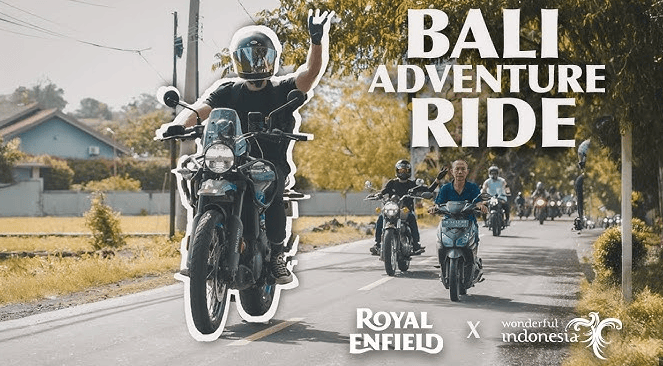
Image Credit: YouTube
For global brands, Asia is more than a growth market, as it tests whether a legacy brand can travel across cultures, road systems, and income levels without becoming generic.
The next rider may not look like the old campaign
Premium motorcycle marketing has often relied on a narrow image of the rider: male, experienced, mechanically fluent, and already comfortable inside the culture. That image created recognition, but it also made the category feel smaller than the potential audience around it.
Royal Enfield has been more deliberate about widening that image. Its “No Turning Back” campaign put women riders at the centre of the story, while its “She Rides Her Way” platform moved the idea into product, with women-focused riding gear designed around fit and safety rather than treating women as an afterthought. Ducati has taken a similar approach through its “Women in Motorcycling” stories, which showcase women as riders and owners within the brand’s culture.
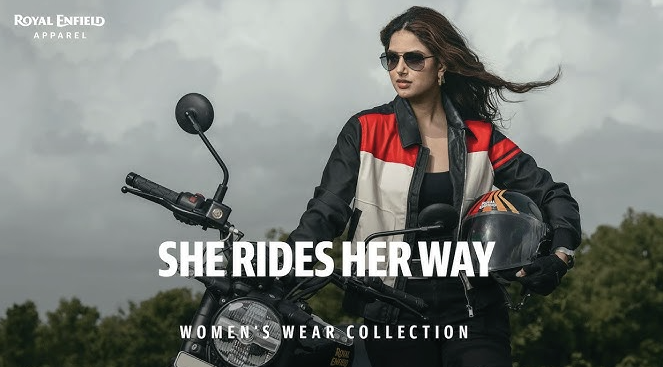
Image credit: YouTube
A consumer who rarely sees someone like them riding, buying, servicing, or customising a premium bike may never reach the comparison stage. The brand is filtered out before price, performance, or product features have a chance to work.
Brands do not need to abandon the classic motorcycle image. They need a wider visual language around ownership. The rider can still be confident and aspirational without looking like the same person in every campaign.
Entry models cannot feel like second-best versions of the brand
Lower-priced motorcycles can help premium brands reach new riders, but only if they carry a clear reason to exist. A smaller bike that feels like a compromise will not build aspiration. It will tell the buyer they are not yet ready for the real thing.
That is the risk facing any heritage brand that moves down the price ladder. The product has to make sense on its own terms. It needs enough of the brand’s character to feel legitimate, without pretending to be a flagship machine.
Royal Enfield has handled this well by making its smaller and mid-sized motorcycles feel central to the brand rather than entry-level apologies. The Classic, Hunter, and Himalayan each play a distinct role, helping the brand recruit first-time premium buyers without making affordability feel like a downgrade.
Harley-Davidson’s challenge is different because its cultural weight has long sat with larger, heavier bikes. A more attainable Harley has to signal access without diluting the brand. The brand cannot rely on the badge alone if the product does not feel emotionally complete.
The next growth market is the route into ownership
Luxury car brands have spent years building routes into the brand that do not begin with a new flagship purchase. Porsche Drive gives consumers access through rental and subscription models in selected markets. BMW and Mercedes-Benz use certified pre-owned programs to make second-hand ownership feel safer, more structured, and still connected to the parent brand.
Motorcycle brands face a harder task. A car can often be justified as a means of transport. A premium motorcycle has to justify itself as a source of passion, identity, and confidence. The buyer is not only asking whether the machine is worth the money, but also if the brand fits their life well enough to become part of it.
This is where used bikes, rentals, and certified pre-owned programs can bring emerging riders into the brand earlier, with less risk and a clearer path toward a new machine later.
Harley-Davidson’s current reset will be judged by that standard. More affordable bikes may bring Millennial and Gen Z riders closer, but price alone will not rebuild the ladder. The brand has to make every step into ownership feel credible, from the first ride to the first service visit and, eventually, to the next machine.
The luxury motorcycle market still has emotional power that few categories can match. Brands can leave new riders to find their own way through the market, or they can build a route that keeps the relationship close from the first sign of interest. The winners will not be those who protect heritage most loudly, but the brands that make it easier to join without making it feel smaller.
For heritage brands, growth depends on understanding what happens before the purchase moment: how new consumers enter the category, where they hesitate, and what makes them ready to commit. Kadence helps brands uncover the motivations, barriers, and ownership journeys shaping future demand.
FAQs
Why are luxury motorcycle brands struggling to attract younger riders?
Because the old path into premium motorcycles was built around ownership, confidence and long-term loyalty. Younger riders may still want identity and freedom, but they are weighing the category against higher costs, urban living, safety concerns and more flexible ways to experience brands before buying.
How is Harley-Davidson trying to reach Millennials and Gen Z?
Harley-Davidson’s latest strategy includes more affordable motorcycles, a renewed focus on dealers, and a stronger emphasis on the broader ownership journey. The challenge is making those entry points feel like authentic Harley-Davidson experiences, not diluted versions of the brand.
Are electric motorcycles the answer for younger consumers?
What can premium motorcycle brands learn from luxury car brands?
Luxury car brands have created lower-risk ways into ownership through certified pre-owned programs, rentals, subscriptions, and branded experiences. Motorcycle brands can use similar routes, but they must protect the emotion and status that make the category valuable.