

India’s premium economy is no longer developing the way many brands expect. Across categories, a growing share of demand is coming from consumers entering premium segments for the first time, often at price points that previously sat out of reach. Premium growth in India is increasingly being driven by earlier category entry, not the slow migration through price tiers that many global premium strategies still assume.
That shift is forcing brands to rethink where premium demand actually converts, and how far it can scale before interest and purchasing behaviour diverge.
Our research on consumer spending across Asia suggests premium demand is becoming more selective rather than uniformly aspirational. In India, higher spending is increasingly concentrated in categories where consumers see stronger personal, social, or long-term value.
How first-time premium buyers are shaping demand in India
The gap between mass-market purchasing behaviour and premium brand access is narrowing. In automotive, the shift is visible not only in vehicle pricing, but in the retail experience itself. Maruti Suzuki’s Nexa network, created to sell higher-end vehicles through standalone showrooms, accounted for roughly 28% of the company’s passenger vehicle sales in FY2026. The format helped bring more consumers into premium-priced vehicles without pushing the brand fully into luxury territory.

Image Credit: ET Auto
Tech is following a similar path. Apple has expanded in India through older iPhone models, financing programs, and trade-in offers that lower the cost of entry without fully repositioning the brand. The strategy has widened Apple’s customer base while preserving much of its pricing power, but it also reflects a broader shift underway in India’s premium economy. As more brands pull first-time buyers into premium categories, the distance between premium and mass-market positioning becomes harder to maintain.
Why entry-level premium products are critical in India
Premium demand in India does not stall because of a lack of interest. It often slows at the point where the first purchase must be justified against competing priorities. Conversion depends on whether brands provide a credible starting point that aligns with how consumers evaluate trade-offs at the point of purchase. This does not mean consumers are entering at the highest price tier, but that their starting point is higher than in previous cycles of category adoption.
In jewelry, Titan Company has taken a similar approach through Tanishq by introducing lighter-weight designs and lower ticket sizes within a premium retail environment. This allows first-time buyers to engage with branded jewelry at more accessible price points while maintaining quality and trust, both of which are central to the category. Company disclosures show that expanding the customer base has been a consistent driver of growth, supported by this wider price architecture.

Image Credit: Tanishq
Why India’s premium consumer behaves differently
India’s premium consumer does not behave consistently across categories because spending decisions are shaped as much by social meaning as by purchasing power. In visible categories such as smartphones, vehicles, and jewelry, premium products often signal progress, identity, or personal achievement. The purchase carries social weight beyond its utility, making consumers more willing to stretch financially.
That logic does not extend evenly across the household budget. The same consumer willing to finance a premium smartphone may remain highly price-conscious in grocery, household, or routine discretionary spending. Premium demand in India is not simply constrained by income. It is filtered through category meaning, visibility, and emotional justification.
This creates a market that can be easy to misread. High engagement with premium brands does not always translate into sustained premium purchasing behaviour. Many consumers understand premium categories long before they participate in them, shaped by digital exposure, social media, and a global consumer culture that reaches far beyond traditional income brackets.
For global brands, this changes the nature of premium forecasting. Awareness, engagement, and even intent can create the appearance of broader premium demand than actual purchasing behaviour supports. The commercial question is not whether consumers want premium products. It is the categories they are willing to prioritise and the trade-offs they are prepared to make to enter them.

Financing has changed how premium demand forms in India
The growth of premium consumption in India cannot be understood through pricing alone. Financing has changed how consumers enter categories, particularly in visible, high-value purchases where ownership carries social or personal meaning.
In many categories, installment-based purchasing has widened access to products that would otherwise sit beyond immediate affordability. The purchase decision is no longer evaluated only against full price, but against monthly affordability and perceived long-term value.
That changes premium conversion materially. A product priced beyond cash reach may still feel attainable when the payment structure aligns with household spending logic. This helps explain why premium demand in India often appears stronger in categories where financing is normalised, while remaining weaker in categories where higher prices require immediate out-of-pocket commitment.
For brands, financing is not simply a payment mechanism. It has become part of premium market architecture. A poorly structured financing model can restrict conversion even when brand demand is strong. A well-structured one can accelerate category entry without requiring permanent downward price repositioning.
This distinction matters because financing does not create demand where category relevance is weak. It amplifies demand where emotional justification already exists.

Where premium expansion breaks down in India
This is most visible in consumer technology. Flagship devices from Apple and Samsung dominate attention, yet most smartphone volumes in India remain concentrated in lower price segments. Premium visibility has expanded faster than the pool of consumers willing or able to sustain premium pricing.
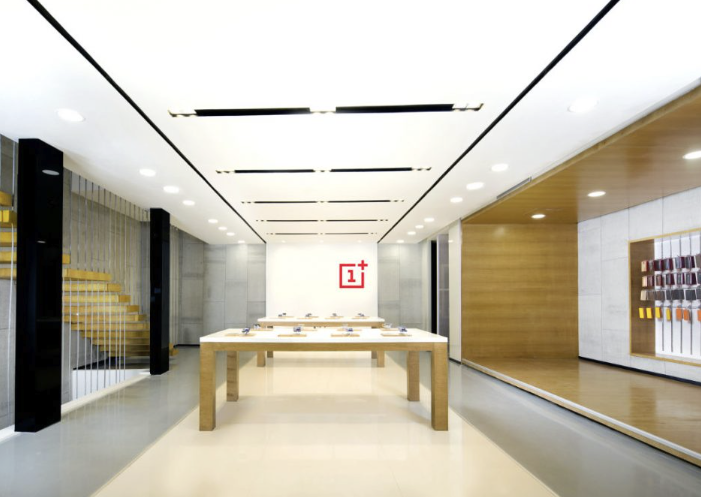
OnePlus illustrates how quickly that tension can emerge. The Chinese smartphone brand built momentum in India by positioning itself between mass-market devices and flagship competitors. But as prices rose, consumer expectations rose with them. Once pricing moved upward, the brand was being judged against a different competitive standard. Concerns about software stability, product quality, and after-sales support became harder to overlook once the brand entered higher-priced territory.
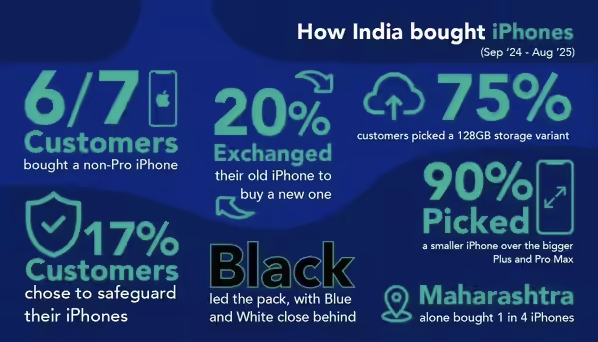
Image Credit: Times of India
Premium expansion becomes harder when pricing rises faster than the experience consumers believe justifies it.
What premium growth in India now demands from brands
Premium growth in India is becoming harder to interpret through conventional market assumptions. Consumers are willing to enter premium categories, but not consistently, and not for the same reasons across the household budget. Categories tied to identity, visibility, durability, or long-term ownership often justify financial stretching in ways routine purchases do not.
That makes India more difficult to manage through global premium playbooks alone. Broad assumptions about rising incomes or expanding middle-class demand reveal very little about where premium products will actually convert. Pricing, financing, product design, and retail execution all influence whether a category feels realistically attainable or permanently out of reach.
The brands performing well are not necessarily those pushing furthest into luxury positioning, but those structuring premium access around how Indian consumers evaluate value at the point of purchase. In categories where pricing outpaces perceived value, visibility can expand quickly while conversion remains narrow.
For brands entering India, the commercial question is becoming less about whether premium demand exists and more about where it becomes sustainable at scale. The strongest growth may come not from pushing further into luxury positioning, but from identifying the point at which premium products remain desirable while becoming financially realistic for a much larger consumer base.
Understanding premium growth in India requires more than tracking rising incomes or aspirational demand. Kadence helps brands identify where consumers enter categories, how pricing shapes conversion, and how premium positioning can expand without losing distinction.
FAQs
What is driving premiumisation in India?
Premium growth in India is increasingly being driven by first-time category entry rather than consumers gradually trading up over time. Many buyers are entering categories such as automotive and smartphones at higher starting price points than previous generations, reshaping how brands need to structure pricing and access.
Why are entry-level premium products important in India?
Entry-level premium products help brands convert aspiration into purchase. In categories where premium products are highly visible but priced too far beyond consumer expectations, awareness can rise without participation. Accessible premium tiers create a starting point that expands the consumer base while maintaining premium positioning.
Why do premium products fail to scale in India despite strong demand?
Premium products often struggle when pricing structures are carried over from mature markets without adapting to local purchasing behavior. Visibility and aspiration alone are not enough. If the first product consumers encounter feels financially out of reach or offers unclear value relative to price, conversion slows even when interest remains high.
How should brands approach premium pricing in India?
Premium pricing in India needs to reflect how consumers evaluate trade-offs at the point of first purchase. Categories linked to long-term utility, durability, or visible consumption can sustain higher price points more effectively than routine purchases. Brands that align pricing with category-specific value perception are more likely to scale premium demand successfully.
What is the biggest strategic risk for premium brands in India?
The biggest risk is weakening premium positioning while trying to expand access. As brands introduce more accessible premium tiers, the distance between mass and premium positioning can narrow. Companies that grow successfully are typically those that expand participation without eroding the exclusivity and distinction that support premium pricing and margins.