

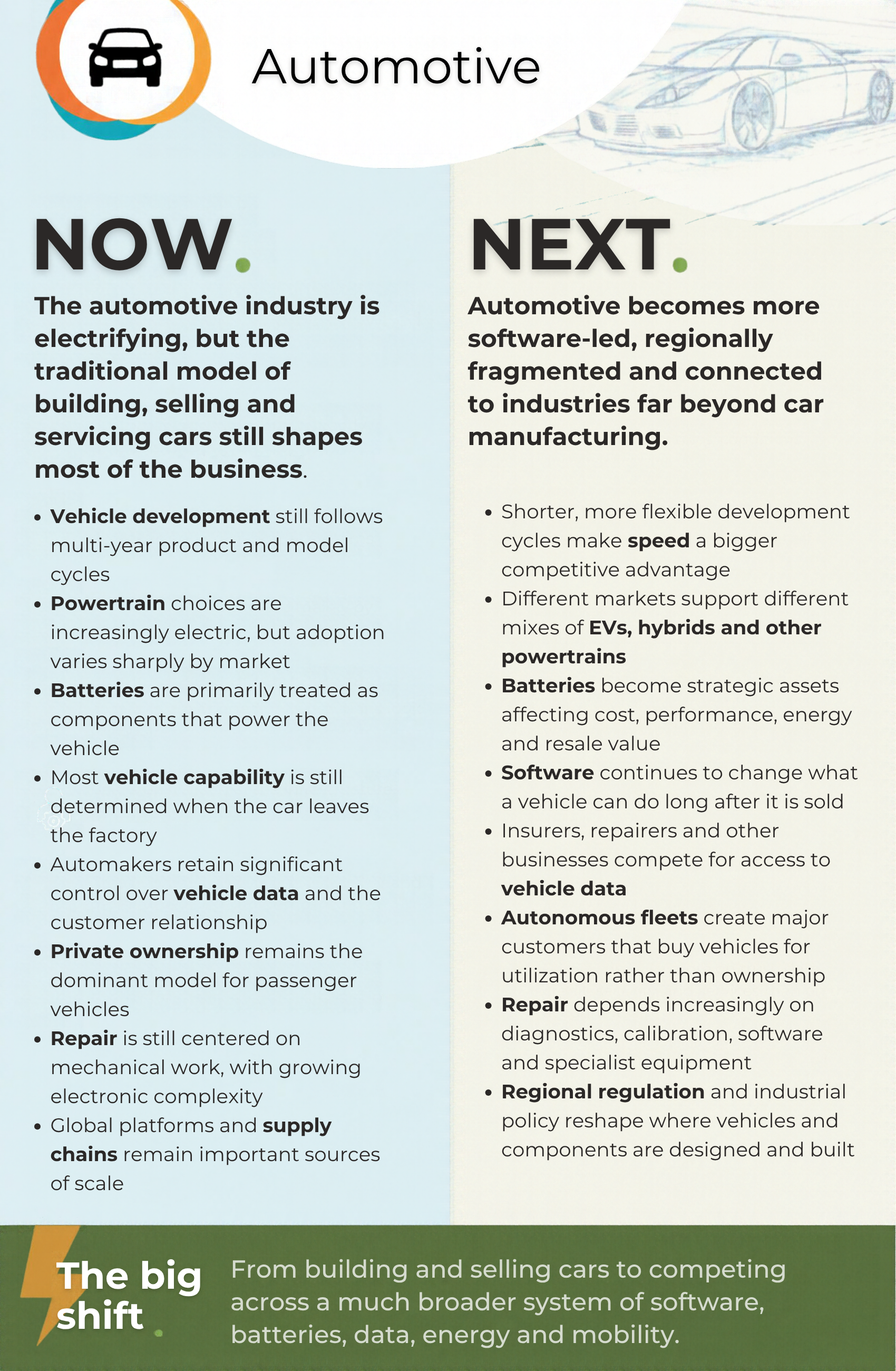
More than 20 million electric cars were sold worldwide last year, accounting for one in four new-car sales. But that headline conceals a much less uniform transition. Electric vehicles made up nearly 55% of new-car sales in China and 28% in Europe, compared with just under 10% in the US. The automotive industry is becoming more electric, but it is not converging on a single model of what comes next.
The differences extend well beyond the powertrain. New EV-focused Chinese automakers can take a vehicle from concept to launch in roughly 24 months, compared with 40 to 50 months or longer for many established manufacturers. Faster development allows newer technology and lower-cost components to be incorporated much closer to launch. At the same time, software and electronics are taking a larger role inside the vehicle, with the global automotive software and electrical/electronic market projected to grow from about $294 billion in 2025 to $469 billion by 2035.
The shape of the industry is changing with it. A car can now gain new capabilities after it leaves the factory. Its battery may eventually have value to the electricity grid as well as the driver. The data it generates is becoming relevant to insurers, repairers, and other service providers. And in some cities, the vehicle buyer may increasingly be a fleet operator rather than the person sitting behind the wheel.
The industry is unlikely to settle into one global model. The bigger change may be where the money is made. As software, batteries, data, and regional policy carry more weight, some of the most valuable parts of the automotive business could increasingly sit outside the traditional act of building and selling the car.
10 shifts that could reshape the automotive industry
1. China changes the industry's clock speed
China's advantage in electric vehicles is often framed around cost and manufacturing scale. Increasingly, though, the bigger challenge for established automakers is how quickly Chinese manufacturers can respond to changes in technology, pricing and consumer demand. China already accounts for nearly three-quarters of global electric-car production, and its manufacturers are expanding into Europe, Southeast Asia and other markets rather than competing only through exports.
If development cycles keep shrinking, traditional four- and five-year vehicle programs will look slow. Manufacturers working on shorter timelines can introduce new battery technology, software, and features much closer to launch, then refresh them again before the next traditional model arrives.
The pressure could favor more modular vehicles and product programs that can absorb new components and software without sending the whole car back to the drawing board. Suppliers may also be brought into development later, giving manufacturers more freedom to adopt technology that did not exist when the original program began.

2. The world stops converging on one powertrain
The split between markets is showing up in what consumers say they will buy next. McKinsey’s 2026 research found more than 80% of Chinese consumers surveyed were likely to choose an electric vehicle, compared with around half of European consumers and 36% in the US. Hybrids and range-extender vehicles are also gaining ground with buyers who want some of the benefits of electrification without relying entirely on public charging.
Manufacturers are planning around that uneven demand. Ford expects hybrids, extended-range EVs, and battery-electric vehicles to make up around half of its global volume by 2030, rather than betting on one technology to work everywhere.
There may be no single global path to electrification. China could move further toward battery-electric and range-extended vehicles, Europe toward a more heavily BEV mix, while North America keeps hybrids in the picture for longer. Elsewhere, charging access and vehicle affordability may produce different combinations again.
For manufacturers, electrification could make the business more complicated, not less. Factories, platforms, and supplier networks may need to support several technologies for longer than expected, with the right investment looking different from one market to another.
3. The battery becomes the strategic core of the vehicle
EV battery deployment reached 1.2 TWh in 2025, almost 30% higher than a year earlier. For automakers, the battery now influences far more than range. It affects vehicle cost, charging speed, weight, durability, warranty exposure, and, increasingly, resale value.
Ford CEO Jim Farley has put it plainly: “If you are not competitive on battery cost, you are not competitive.”
As battery chemistries and sourcing strategies diverge, more of the advantage could sit with the companies controlling the technology behind them. Expertise in cell design, materials, battery software, and thermal management may become as important as expertise in engines and transmissions once was.
4. Software breaks the link between model year and capability
A car has traditionally been largely finished by the time it leaves the factory. That is beginning to change. BMW’s Neue Klasse architecture, for example, separates software development from hardware and is designed to support significant updates long after a vehicle is sold.
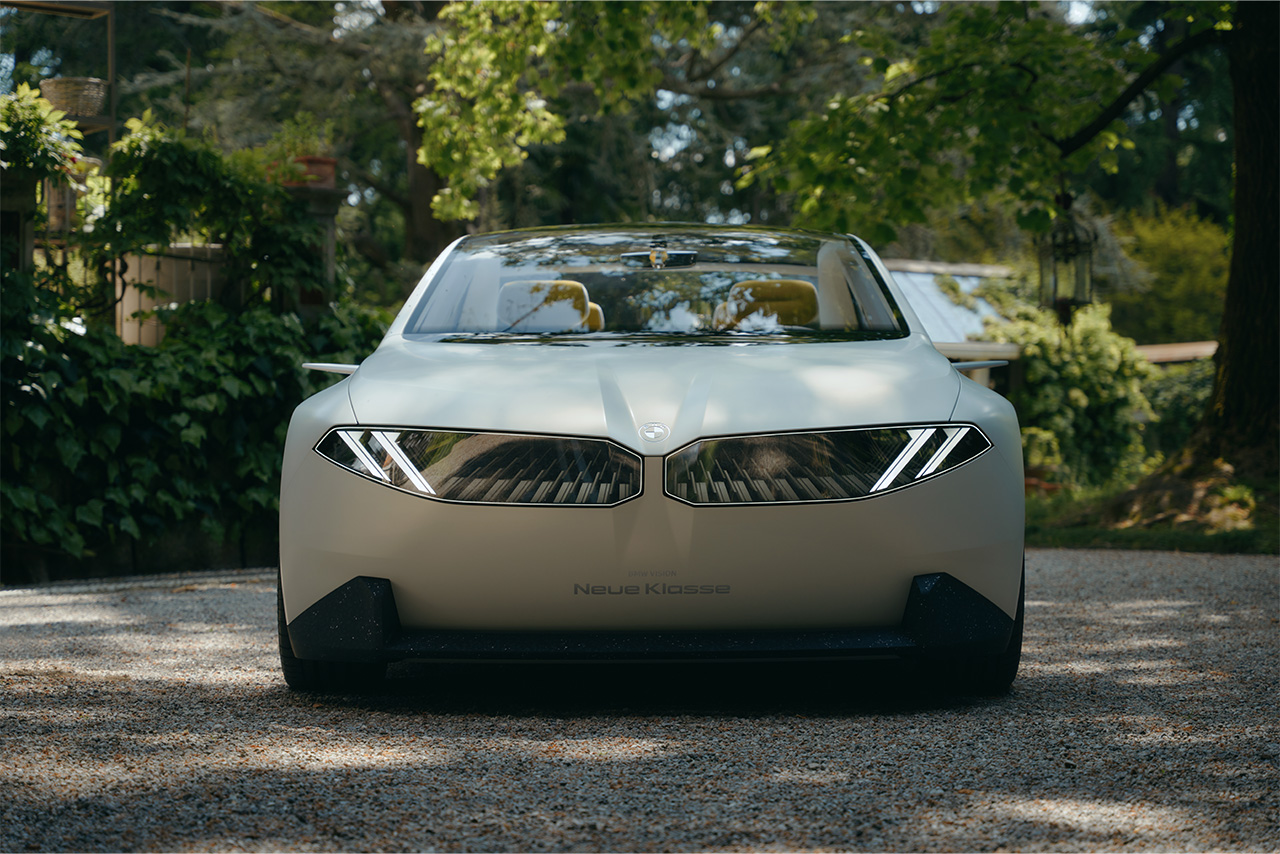
Image credit: BMW’s Neue Klasse
If that becomes normal, model year becomes a weaker measure of what a car can actually do. Older vehicles could gain new safety, navigation, or driving features without being replaced, potentially extending ownership cycles and changing how used cars are valued.
It also leaves manufacturers supporting vehicles for much longer. Software updates, cybersecurity, and compatibility could become part of the ownership promise in much the same way warranties and servicing are today.
5. Vehicle data becomes contested territory
Connected cars are creating valuable data well beyond the vehicle itself. Insurers can use driving behavior to assess risk, repairers can identify faults earlier, and location and usage data can support entirely new services. The EU Data Act is already widening access beyond manufacturers to include insurers and aftermarket providers.
General Motors offers a warning about what happens when that relationship is mishandled. In January 2026, the FTC finalized an order after alleging that GM and OnStar collected and sold location and driving-behavior data from millions of vehicles without adequate informed consent. The data included hard braking, acceleration, speeding, and other driving events that could influence insurance decisions. GM is now barred for five years from sharing certain driver data with consumer reporting agencies.
Consumers are already sensitive to the issue. Deloitte found that 62% of US respondents were concerned about sharing synced-device data, while 58% were concerned about both in-cabin camera and vehicle location data.
6. Autonomy creates an automotive customer that isn't the driver
Autonomous ride-hailing has moved beyond small pilots. Waymo is now operating fully autonomous trips in 15 major US cities and is preparing to launch in Tokyo, London, and Singapore.
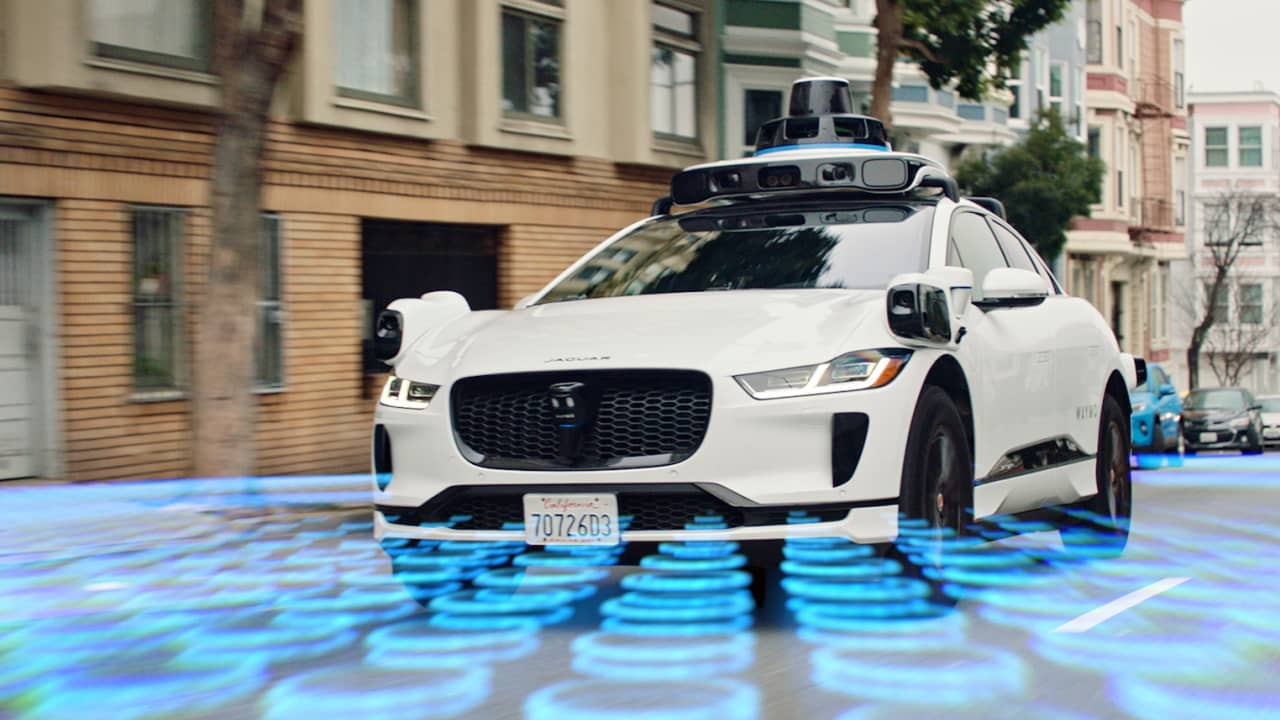
Image credit: Waymo
Consumer confidence has not kept pace. Fewer than one in four US consumers say they are comfortable riding in a fully self-driving vehicle, although McKinsey finds people who already use shared autonomous vehicles are replacing some journeys they previously made in their own cars.
If that behavior spreads, automakers gain a different kind of customer. Fleet operators and mobility platforms would buy vehicles based on uptime, utilization, maintenance costs, and passenger throughput rather than on an individual owner's priorities. Private car ownership need not disappear for that shift to become commercially significant.
7. The car joins the energy system
A parked EV is also a large battery, and automakers are beginning to test what happens when that battery is integrated into the electricity grid. China has launched vehicle-to-grid pilots in nine cities, while BMW and E.ON have introduced a commercial V2G offer in Germany that compensates drivers for making stored energy available to the grid.
The tech is still early, and regulation, tariffs, and interoperability remain major barriers. But if bidirectional charging becomes easier to use, the vehicle could start doing more than consuming electricity. It could help power a home, respond to peak demand or earn money while parked.
That would pull automakers into a very different competitive space, where energy companies, charging providers, and grid operators start shaping the ownership experience.
8. Repair becomes more diagnostic, calibrated, and software-dependent
A bumper replacement used to be mostly a body-shop job. On a newer vehicle, the same repair may involve cameras, radar sensors, and ADAS systems that must be recalibrated before the car is safe to return to the road.
MEMA expects the ADAS parts-and-service market to grow at 9.5% a year through 2035, with mechanical repair shops eventually handling more calibration work than collision centers.
That changes the economics of the aftermarket. Independent garages may need more expensive equipment, software access, and specialist training simply to stay in the game. Dealers could benefit from that complexity, but so could a new layer of calibration and diagnostics businesses built around work that traditional garages were never designed to do.

9. Battery history becomes part of the vehicle's identity
Two used EVs can have the same age and mileage but very different batteries. How often they were fast-charged, the temperatures they were exposed to, and how much capacity they have lost may eventually matter almost as much as the odometer.
From February 2027, EV batteries sold in the EU will begin carrying digital battery passports containing information on performance, durability, repair, and recycling. The Global Battery Alliance is developing a similar framework, with companies representing much of the EV battery market already involved in trials.
That creates the possibility of a much more transparent second-hand market. Battery condition could influence leasing, warranties, insurance, and resale, while the same record follows the battery into repair, reuse or energy storage.
A future used-car buyer may ask for the battery history as routinely as they ask for the service history today.
10. The global car becomes regional again
China currently produces around 70% of the world’s electric cars and more than 80% of its battery cells. That concentration is becoming increasingly difficult for governments elsewhere to accept as automotive technology becomes tied to jobs, energy security, data, and national industrial policy.
Twenty years from now, a global model may be global mostly in name. The version sold in Europe could use locally produced batteries and software that meets European data rules. Its US counterpart might rely on a different battery supply chain and locally sourced components, while the Chinese version could use a different tech stack altogether.
Factories may follow the market because local production can determine access to incentives, customers, and sometimes the market itself. Suppliers may have to duplicate capacity across regions, while automakers balance the cost of that duplication against the risk of relying too heavily on any one country.
After decades spent removing borders from automotive production, geopolitics could start putting them back.
What this means for automotive companies
Building the car is only part of the competitive problem now. Automakers are being pulled into software, batteries, data, cybersecurity, and energy, all while still managing factories, suppliers, and regional regulations.
The harder question is what they still need to control. A mobility platform could own the passenger relationship, an insurer could influence how vehicle data is used, and an energy company could manage the battery when the car is parked. Automakers will not need to own everything, but they will need to be clear about which parts of the business they cannot afford to give away.
Which trends deserve investment?
Not every visible shift is ready for major investment. Consumer willingness to pay, infrastructure, regulation, and regional adoption will determine which ideas move from interesting to commercially important.
For automotive companies, the key is separating technologies that are technically possible from those consumers will actually use, trust, and pay for … and understanding where that answer changes by market.
Talk to Kadence about where the automotive industry is heading NEXT.
FAQs
What is the future of the automotive industry?
The automotive industry is likely to become more electric, software-led and regionally fragmented. Batteries, vehicle data, autonomous mobility, software updates and changing supply chains could all play a larger role in where value sits across the industry.
What are the biggest trends shaping the automotive industry?
Major trends include the rise of software-defined vehicles, growing competition from Chinese automakers, greater strategic importance of batteries, autonomous fleets, connected-car data, changing repair requirements, and more regionalized manufacturing and supply chains.
How will software-defined vehicles change the automotive industry?
Software-defined vehicles allow manufacturers to update and add capabilities after a car has left the factory. This could extend vehicle lifecycles, change how cars are valued and create new expectations around software support, cybersecurity, and ongoing updates.
Will electric vehicles completely replace gasoline cars?
Electrification is continuing to grow, but the transition is unlikely to look the same everywhere. Different markets may rely on different combinations of battery-electric vehicles, hybrids, plug-in hybrids, range-extender vehicles and remaining combustion vehicles for many years.
How will autonomous vehicles affect the automotive industry?
Autonomous vehicles could create a larger market for fleet-owned vehicles designed around uptime, utilization, and cost per mile rather than individual ownership. Even if private car ownership remains dominant, autonomous mobility could change who buys vehicles and which features matter most.