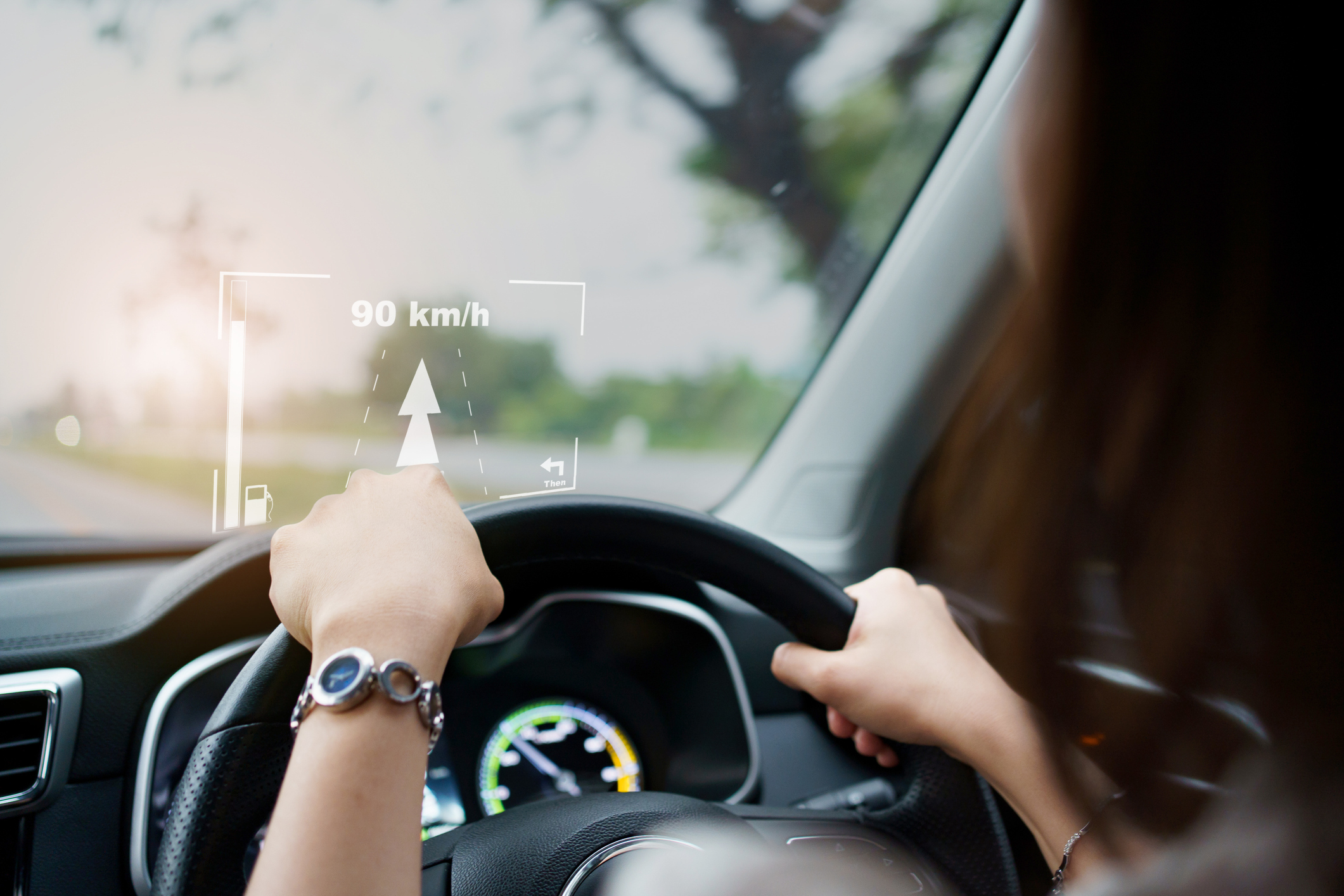

For years, Chinese carmakers used smart technology to stand out, but buyers now treat it as a standard feature. McKinsey’s 2026 China Auto Consumer Survey found that 69% regard advanced driver assistance as a must-have, while 84% expect an in-car AI assistant to learn their habits and anticipate their needs. Smart technology helps cars make the shortlist, but it is rarely the deciding factor for a purchase.
The window for earning a premium is shrinking
BYD's advanced driver-assistance features are now standard even on its cheapest models. This rapid shift means premium carmakers have less time to profit from new technologies before they become expected commodities.
McKinsey's numbers show the scale of that shift, with technology upgrades producing a 20.7% net positive effect on purchase intent. Brand has now overtaken technology as the second-most important factor in EV purchases, trailing only range and charging convenience. Chinese buyers are increasingly using the brand to judge how comparable systems will perform over the life of the vehicle.
This focus on brand is occurring alongside new regulatory pressures. Since February 2026, Chinese authorities have prohibited the sale of vehicles below production cost, curbing the most aggressive forms of price competition and limiting manufacturers' ability to use steep discounts to revive underperforming models.

Technical progress is exposing a usability problem
Manufacturers are responding to rising buyer expectations by continuing to add sensors, larger screens and longer feature lists. J.D. Power’s China Tech Experience Index shows how difficult it is to translate that expansion into a better experience. In 2025, difficulty understanding or operating features accounted for 36% of reported intelligent-cockpit problems. Complaints ranged from slow responses and clumsy startup sequences to voice assistants that misheard routine requests.
The same study found that malfunction complaints fell as usability complaints climbed.
Usability flaws aren't usually apparent in product demos. They only surface when drivers are distracted or multitasking in real-world scenarios. These practical moments often matter more to buyers than new technical features, yet most manufacturers still fail to measure this impact.
Accountability (not capability) is becoming a source of advantage
BYD has moved beyond rolling out features and into territory competitors cannot match as quickly: a warranty. Its one-year coverage applies to new buyers and existing owners who upgrade to God’s Eye 5.0. BYD covers qualifying accidents that occur while urban Navigate-on-Autopilot is active and used in accordance with the system’s rules. There is no compensation cap, and a claim does not affect the following year’s insurance premium.
More of the underlying technology is also being shared across competing brands. BMW is using Huawei's software for its Chinese cars, while Buick is partnering with Momenta, a supplier used by many other car brands. Because car brands often use the same supplier software, it's harder to claim their technology is unique. The real advantage now lies in how well they integrate and customize that software.
Buyers have little basis for evaluating a Momenta algorithm in isolation; what they judge is whether the car in front of them behaves and who answers when it does not. BYD has made its answer unusually explicit. Comparable commitments remain far less visible among its Huawei- and Momenta-powered rivals.

China’s smart-car supply chain is going global
Momenta is now integrating its technology into the Mercedes-Benz S-Class. Mercedes and Momenta initially developed the driver-assistance system for the Chinese market, trained it on Chinese road data and debuted it on the all-electric CLA. The system is being extended across nine Mercedes models. Their relationship dates to 2017, when Mercedes became Momenta’s first international investor.
Mercedes-Benz and Momenta are preparing to test an S-Class robotaxi service in Abu Dhabi. Chinese driver-assistance suppliers are entering markets where manufacturers depend heavily on brand premiums.
The direction of automotive technology transfer is changing, with global premium manufacturers increasingly working on China’s development timetable.
What this means for market research
Most customer insight functions were built to ask whether technology works and whether people want it. Those questions can establish acceptance without explaining why one equally capable model beats another.
Among the features every credible rival also offers, which ones does a buyer notice and understand without being taught? Which ones does that buyer trust enough to rely on in an accident?
Usability testing under real-world conditions can reveal where confidence breaks down. Complaint data can separate operational difficulties from technical failures, while responsibility testing can show which company receives credit or blame when a shared system underperforms.
Product roadmaps can categorize features by commercial value, by ensuring basic features are reliable, and then focus investments on safety and quality. Prioritizing these areas avoids wasting R&D budgets on novelties consumers don't value.
Software is making the model year less useful
Traditional car classification by make, model, and year is increasingly outdated. Because software updates can change a vehicle's features after delivery, two identical models may now offer completely different experiences.
.png?width=1600&height=1300&name=Chinas%20Smart-Car%20Boom%20Has%20a%20Differentiation%20Problem.%20(1600%20x%201300%20px).png)
Grouping owners only by make, model, trim and year can distort measures of satisfaction and trust. A problem confined to one software version may be attributed to the model as a whole. Research may also include owners who haven't even activated the feature being assessed.
Accurate comparisons now require linking owner feedback to specific vehicle software, active features, and configuration, ensuring that assessments reflect the actual product experience.
Software releases also shorten the life of a competitive benchmark. A comparison made at launch can become outdated within months, even if no manufacturer has introduced a new model. Benchmarking by software release ensures data remains relevant by tracking how updates impact vehicle performance and competitiveness.
Software releases are becoming brand decisions
Software updates can alter a brand’s reputation long after the vehicle has been sold. Brand leaders need a place in the release process, with enough time to assess how a proposed change may affect the customer experience and the promise on which the vehicle was sold.
Before the next release reaches the fleet
Market research can test those consequences before deployment, while both the software and the manufacturer’s response can still be changed. It can reveal where a release may unsettle expectations and what owners will need from the company if it does.
For some automotive manufacturers, the most consequential launch of the year may take place in cars already on the road.