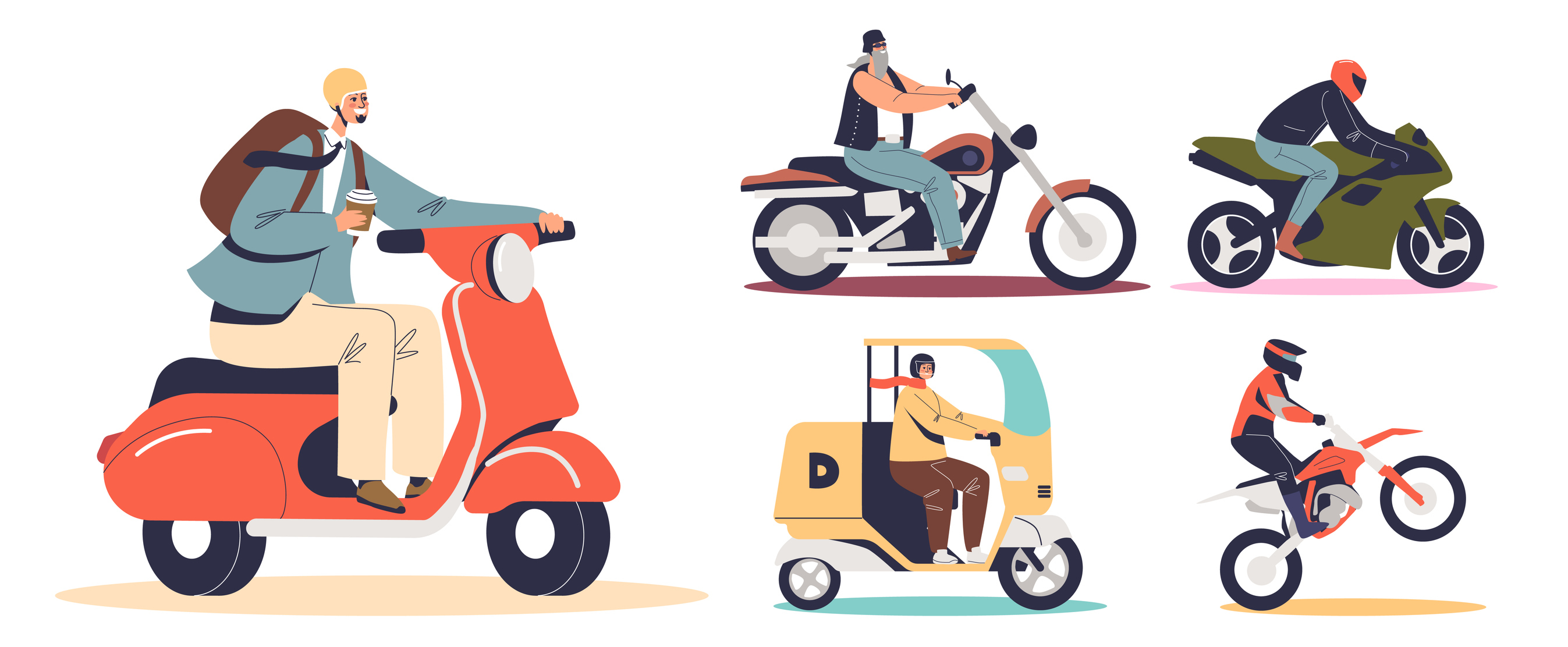

A two-wheeler brand can reach the right buyer and still misunderstand the rider.
The same scooter may take someone to work in the morning, support delivery work in the evening, and handle family errands on the weekend. A motorcycle may be bought for fuel savings, resale value, status, or income generation. An electric scooter may be a technology purchase for one rider and a cost-control decision for another.
Many brands still rely on traditional categories such as commuters, first-time buyers, and premium enthusiasts. These labels help organize the market, but they do not fully explain what the buyer is trying to protect, whether that is income, time, status, household stability, or confidence in the brand.
That gap creates expensive mistakes: the wrong message, the wrong product brief, and the wrong service promise. The harder work is knowing which promise each buyer needs to believe before the sale, and which experience keeps them loyal after it.

The old buyer labels miss too much of the decision
Traditional segments show who may buy, but often miss why the choice feels safe, risky, or worth paying more for.
Age, income, city tier, and vehicle type still help size the market and guide media buying. They show where demand is concentrated. They are weaker at explaining why the purchase feels safe, risky, or worth paying more for.
A scooter buyer in Mumbai, Jakarta, or Ho Chi Minh City may appear to sit in a clean commuter segment. The purchase could be about unreliable public transport, extra platform income, school runs, or the cost of keeping a household mobile without buying a car. Each pressure changes what the buyer expects from the vehicle.
At the premium end, the enthusiast label masks several distinct buyer types. In the US and UK, a rider may be returning to motorcycling after years away or using the brand as a visible marker of identity. Another may be buying the community around the bike. Harley-Davidson’s riding events and owner communities show why the premium relationship extends beyond the machine. The bike matters, but so does the world built around it.
In India, Ola Electric has often framed the EV switch around access and savings, from #EndICEAge benefits to campaigns built around lower running costs. In the same market, Ather has leaned more heavily into performance and managed ownership, using the 450 series, Ather Grid, and AtherStack Pro to make charging, software, and battery assurance part of the proposition.
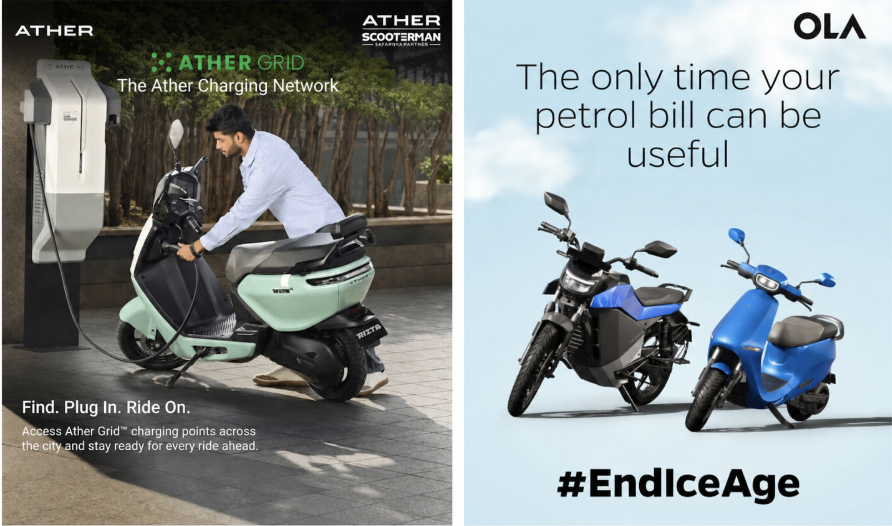
Image Credit: EV Mechanica and Instagram
Strong segmentation shows what the buyer is trying to protect, whether that is income, time, status, or household stability. A buyer trying to reduce daily costs needs a different promise from one seeking to protect income or avoid service risk. Those answers change the offer, the message, and the after-sales promise.
A brand that only sees “urban scooter buyer” or “young EV adopter” may still reach the right audience. It may not know what the audience needs to believe before buying.
The trip is becoming the buying signal
A school run, a 10-hour delivery shift, and a Sunday ride do not produce the same buying logic. One puts pressure on safety and balance. Another on uptime. Another on comfort and ownership experience.
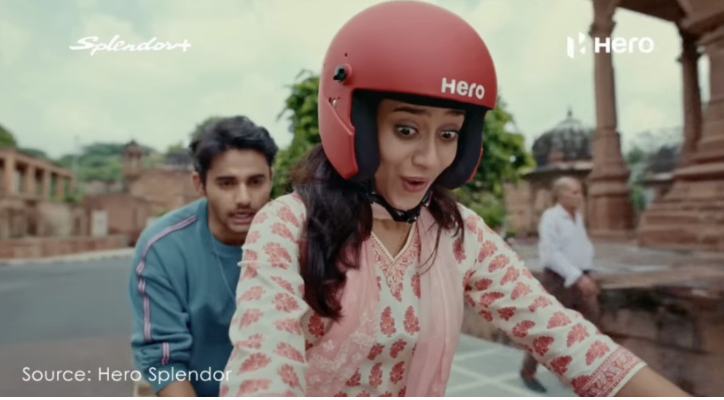
Hero Splendor’s “Ek Raasta Hai Zindagi” campaign in India shows how powerful everyday trust remains. The campaign positions Splendor as a long-standing companion for Indian riders, with reliability and familiarity at its core.
App-based delivery brings a harsher standard. Range, repair bills, and parts availability directly affect income. Battery swapping has attracted attention across high-use two-wheeler markets because it addresses downtime. Grab’s EV rental program for food delivery riders in Thailand points to the same commercial need: protect access and earning time.
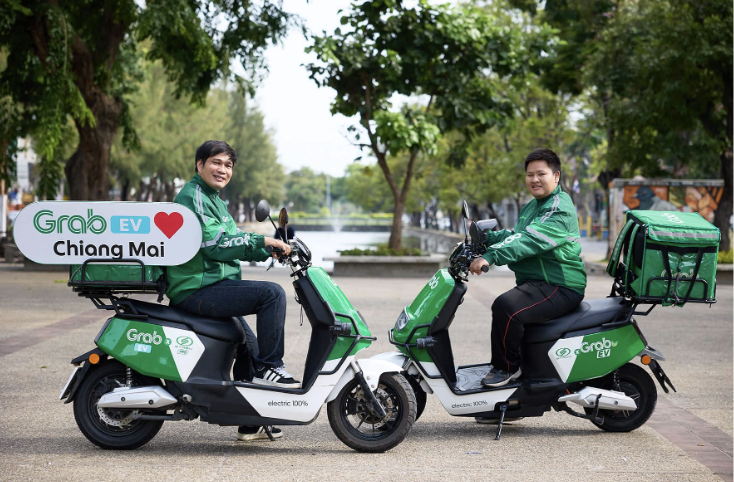
Image Credit: Grab
In Singapore, high ownership costs and stringent transport regulations make the decision more deliberate. Buyers need a clear view of total ownership cost and whether the vehicle fits a high-cost market.
A campaign may win attention by showing a sleek scooter moving through the city. The sale may depend on whether the buyer believes it can handle monsoon roads, charging gaps, or long service queues.
Media built around broad buyer types will waste more money
A campaign can reach the right age group and city, and still miss the reason someone is in the market.
Monthly payments, dealer trust, and resale value can be part of the same young urban audience. They do not call for the same message. Those buyers may be in the same audience pool, but they are not weighing the same risks. A single “youth mobility” campaign can look efficient in the media plan while failing to answer the question that decides the purchase.
Premium motorcycle marketing faces a different test. A rider looking at Harley-Davidson or Royal Enfield may be buying community as much as machinery. Media that focuses only on the machine can underplay the ownership culture that helps justify the purchase.
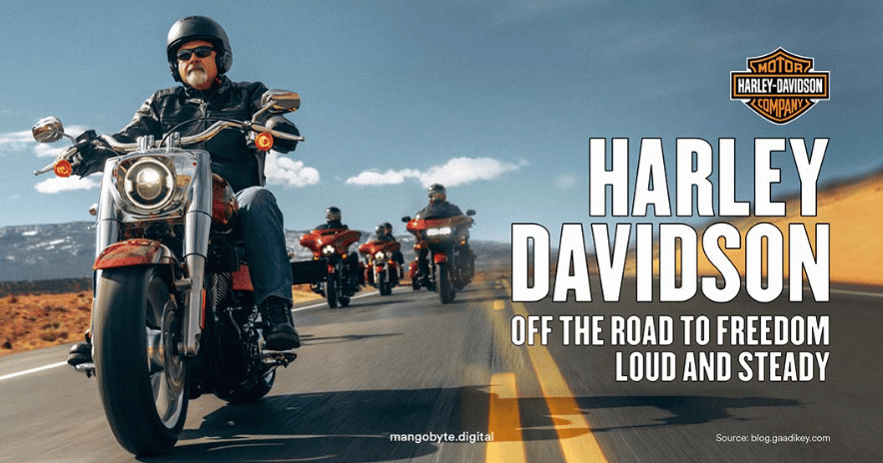
Image Credit: Mangobyte Digital
For delivery riders and ride-hailing drivers, lifestyle language often misses the point. These buyers respond more to uptime, service access, and predictable earnings. Gogoro’s battery-swapping model in Taiwan shows how infrastructure itself can become the message. For high-use riders, a fast battery swap may say more than a glossy campaign.
The same vehicle may need different messages before and after the sale. Before purchase, the buyer may need proof of reliability, cost control, or identity. After purchase, the brand must reinforce service confidence, ownership value, and reasons to stay.
The expensive mistake is reaching the right people before the brand knows what they need to hear.
Product portfolios need to match real use
A narrow view of the buyer can lead to the wrong product decisions.
A commuter scooter built around mileage can still miss the rider who needs storage, passenger comfort, and fast service. A delivery-focused vehicle can fail if it treats range as the only issue and ignores repair time or the daily cost of being off the road. A premium motorcycle can over-index on power while the buyer is also weighing comfort, accessories, and resale confidence.
Two-wheeler portfolios often look cleaner on paper than they feel in real life. Entry-level, commuter, premium, and electric may be useful internal categories, but the strongest products often sit across several needs. Honda Activa’s long run in India reflects that strength. It became a practical household vehicle for office trips, errands, and family use. That broader role helped it move beyond one neat buyer type.
In Indonesia, electric motorcycle brands such as ALVA operate in a market shaped by local riding patterns, charging access, and price sensitivity. A short-trip urban model will not automatically satisfy a rider using the vehicle for long hours. Technology appeal weakens quickly if buyers remain unsure about service, battery life, or resale.
When the vehicle is used heavily, service plans, battery protection, roadside assistance, and trade-in programs are included in what the buyer pays.
A sharper portfolio starts with the daily realities around the vehicle. What does the rider carry? Who rides with them? How quickly do they need repairs? When does the model start to feel too limited or too expensive?
Those questions can expose gaps that a simple product ladder will miss. The answer is not always a new model. It may be better storage, a priority service lane, clearer battery protection, or a stronger accessory offer.
Financing choices can reveal what the buyer is trying to manage
The way someone pays for a two-wheeler can say as much as the model they choose.
A low down payment can point to affordability pressure, but it can also reflect irregular income. A longer repayment term may signal caution rather than simple price sensitivity. Extended warranty interest can reveal worry about repair costs or service quality. Battery cover can make a newer technology feel less risky.
Financing carries more weight when the vehicle supports work. Delivery riders and ride-hailing drivers judge the bike or scooter against daily earnings. Monthly repayment, insurance, service costs, and downtime are all included in the same calculation.
In Southeast Asia, EV rental and fleet-access models show how financing can be built around working riders who may not want, or be able, to take on conventional ownership. The vehicle becomes part of an income system, so the financing offer has to match how money comes in.
In India, two-wheeler finance has widened access across income groups. For newer technologies, finance has to do more than lower the entry price. It also has to address concerns about resale, service coverage, and long-term ownership costs.
Financing behavior can show where hesitation forms, from the entry cost to warranty language and the upgrade path.
Every two-wheeler purchase carries a risk calculation for the buyer. Financing data can show whether the buyer is trying to reduce income risk, repair risk, technology risk, or resale risk.

After-sales behavior reveals the buyer more clearly
Service frequency, repair options, warranty questions, and resale timing can reveal how the vehicle is actually being used. A buyer who looked ordinary at purchase may become highly valuable through servicing, referrals, or repeat upgrades. Another may look attractive at the point of purchase but become costly due to complaints or parts delays.
For high-use riders, after-sales support becomes part of the product. A delivery rider waiting days for a spare part is losing income. A ride-hailing driver facing unclear repair costs may start questioning whether the brand understands the economics of their work. Loyalty is built through speed, transparency, and predictable ownership costs.
For EV owners, after-sales is where the technology promise is tested. Battery health, warranty clarity, and technician capability can decide whether an owner recommends the brand or warns others away. Gogoro’s battery-swapping network in Taiwan shows how service infrastructure can become central to trust. Ather’s investment in charging and service touchpoints in India points to the same need: the ownership system must reduce anxiety after the sale.
After-sales data can expose hidden growth opportunities. Storage accessory purchases may point to unmet carrying needs. Complaints about parts delays may reveal a broken service promise. Early trade-ins may show where the product ladder is too slow.
After-sales is often managed as support when it should also be treated as consumer intelligence. The rider’s service history, repair choices, and upgrade behavior may say more than the profile they matched on the day they bought the vehicle.
The research needs to follow the rider, not just the purchase
The risk is that the best evidence about the rider may sit outside the brand. Platforms may understand usage intensity, lenders may see repayment stress early, and dealers may hear service complaints before they appear in formal tracking. By the time resale behavior confirms the problem, the buyer’s confidence may already be weakening.
Two-wheeler research needs to follow the rider after the dealer visit, when ownership begins to reveal what the purchase really meant.
Awareness, consideration, preference, and purchase intent still matter. They show who is open to the brand. They do not provide enough detail on what could make the buyer hesitate, switch, delay, or leave after purchase.
Usage research should show when ownership becomes difficult. That gives product teams better evidence for service plans, upgrades, and everyday design trade-offs.
Journey research should reveal where the brand starts to lose influence. The dealer visit may close the sale, but financing, first service, and resale shape whether the rider stays. Each stage can reveal a weak promise before it becomes lost loyalty.
Reassurance research should identify what makes the purchase feel safe enough to make. One buyer may need proof of savings. Another may need confidence in service coverage, resale, or repair speed. The value is a sharper offer built around the barrier that matters most.
Dealer and service research deserves more weight because this is where the brand promise is either confirmed or weakened. Dealers, mechanics, and service advisers can be especially influential in India, Indonesia, and the Philippines, where local trust and word of mouth still shape purchase and repeat purchase. If the dealer experience is weak, even strong advertising can lose power.
Financing research can uncover hesitation that brand tracking may miss. Buyers can like the product and still avoid purchase because repayment feels risky or resale value is hard to judge.
The strongest research programs will connect what people say with what they do after purchase. That is how brands find the gap between the rider they targeted, the buyer they converted, and the owner they must keep.
The buyer model should not be frozen at the sale
A purchase profile can freeze the rider at the moment of sale. Ownership behavior then shows what the brand could not see at the start: whether the buyer is becoming more valuable, more doubtful, or more likely to leave.
In a category used this often, the most useful evidence appears over time. That requires a closer link between marketing, product, finance, dealers, and service teams. Each team sees a different part of the rider’s behavior. When kept apart, those signals appear to be distinct data points. Together, they show when the brand should adjust its message, offer, or service promise.
Brands that read those signals well can keep their consumer model current instead of rebuilding it every few years. They will keep updating it as riders show what the vehicle is worth to them and where trust is weakening.
The most valuable rider insight may appear after the sale. Usage, financing, service, and resale behavior can show whether the brand reached the right buyer with the right promise, or placed them in a segment too broad to guide growth.
If your two-wheeler segmentation still relies on broad buyer types, Kadence can help pressure-test it against real usage and ownership behavior. Speak to our team about building a sharper view of the riders shaping growth in your market.
FAQs
Why are two-wheeler buyers becoming harder to segment?
Two-wheeler buyers are harder to segment because the same vehicle can serve multiple roles, from commuting and delivery work to household mobility and premium self-expression. Age, income, and vehicle type still matter, but they no longer explain enough of the buying decision.
Why is usage more important than demographics in two-wheeler segmentation?
Usage shows what the buyer needs the vehicle to do. A delivery rider, family buyer, and premium rider may look similar in demographic data but judge the vehicle by very different standards, from uptime and service speed to comfort, storage, or identity.
How does weak segmentation affect two-wheeler marketing?
Weak segmentation can lead brands to reach the right audience with the wrong message. A campaign may target the right age group or city but fail to address the buyer’s real concern, such as financing risk, dealer trust, repair costs, or ownership confidence.
Why does after-sales behavior matter in two-wheeler segmentation?
After-sales behavior shows how the vehicle is actually used after purchase. Service frequency, warranty questions, complaints, referrals, and resale timing can reveal which riders are becoming more valuable, more doubtful, or more likely to leave.
What research do two-wheeler brands need now?
Two-wheeler brands need research that connects purchase intent with ownership behavior. Usage research, journey mapping, dealer and service research, and financing research can reveal what makes buyers hesitate, switch, stay loyal, or upgrade.