

In India’s largest cities, quick commerce can still feel startling to outsiders: everyday items arrive with a speed many markets have yet to normalize. Whether that is a missing ingredient before dinners, a phone charger, or diapers in an emergency, or even premium chocolates before guests arrive, it can reach the doorstep before many consumers elsewhere would have decided whether the errand was worth making.
For millions of urban Indians, the extraordinary has become routine. Platforms such as Blinkit, Zepto, and Swiggy Instamart have made near-instant availability part of daily consumption, giving households a way to solve small needs before they become errands. The most explicit “10-minute” promises have come under regulatory scrutiny, but the consumer expectation they created remains firmly in place.
Since quick commerce launched in 2020, India’s e-grocery penetration has grown fivefold. In metro markets, e-grocery now accounts for 6%–7% of grocery sales.
Source: Bain & Company, How India Shops Online 2026
India is becoming one of the first large-scale tests of what happens when convenience stops feeling premium and starts feeling expected.
Brands are no longer competing solely for planned purchases, but for the moments when a need emerges, and context, visibility, and ease of purchase determine what makes it into the basket and what gets left behind.
India’s quick commerce market is often framed as a contest between delivery platforms. The more important lesson is about consumer behavior. When speed becomes normal, brands must understand what people buy in the moment, what they stop planning for, and which products fall out of consideration when they are absent at the point of demand.
India’s Shopping Basket Is Being Reassembled
India’s rapid e-commerce boom is not just about accelerating delivery times - it is reshaping how the shopping basket itself gets built.
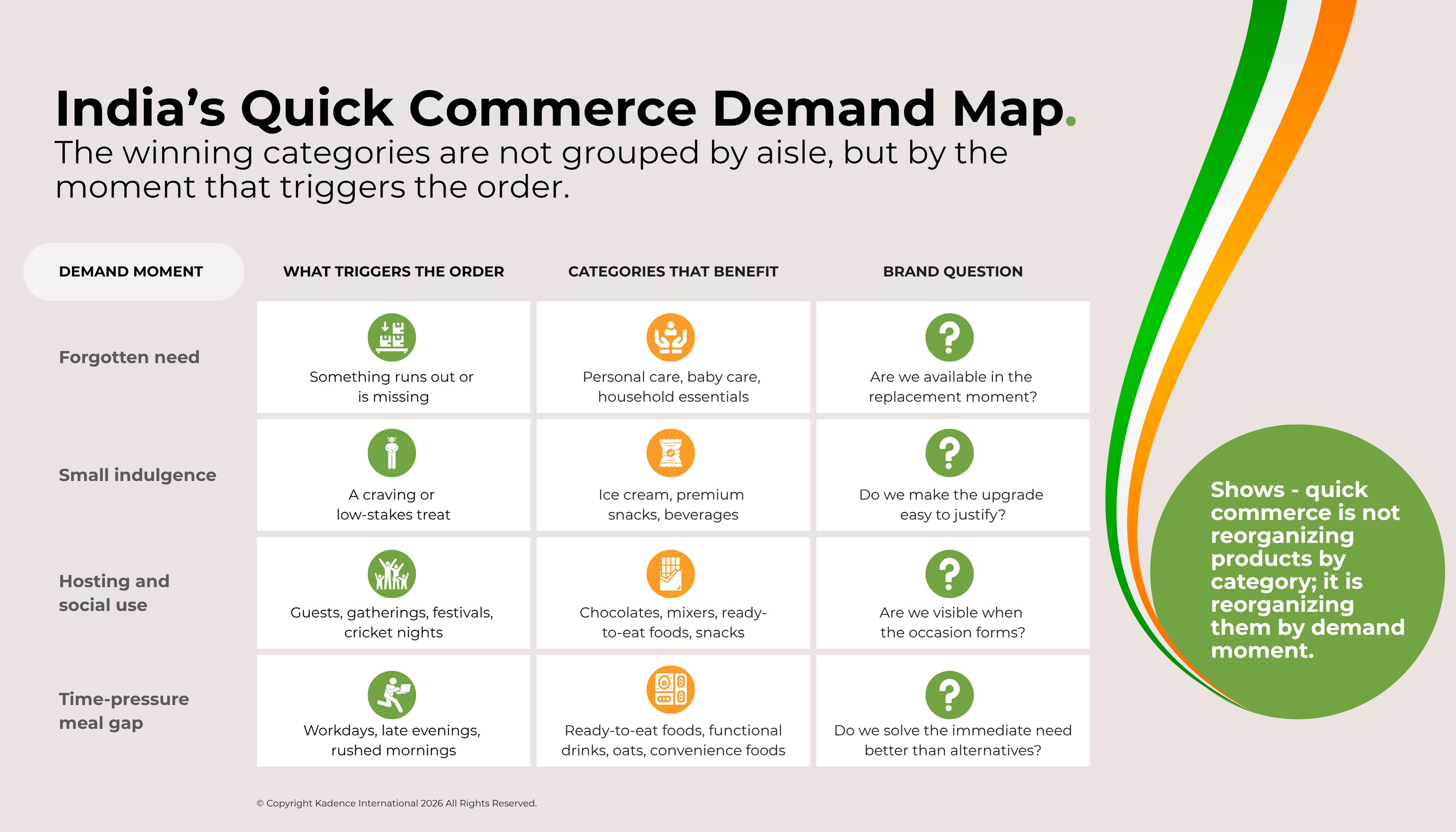
In traditional grocery stores, household purchases were shaped by routine: the weekly supermarket trip, familiar categories, and predictable replenishment cycles. Many brand decisions were already made before the customer entered the store. In quick commerce, the basket is built closer to the point of need, whether that means breakfast running short, guests arriving, or a product running out at home.
That changes how products compete. A snack is no longer competing only with other snacks if the customer is seeking convenience, indulgence, or late-night cravings, and ready-to-eat meals, desserts, and beverages can all occupy the same decision space. Premium grocery items may gain share because smaller order sizes reduce the perceived cost of trading up, and personal care purchases increasingly favor whichever product is available at the exact moment replacement becomes urgent.
For brands, these baskets reveal something broader than category demand; they expose the relationship between context, urgency, convenience, and willingness to spend.
The implications reach across assortment, packaging, pricing, and media. Now brands must understand their role in the grocery order. An emergency purchase, an indulgence, a hosting need, and a replenishment item, along with price and category competitiveness. If demand is forming around use cases rather than categories, brands need to redefine competition in terms of the situations they serve, not just the aisle they came from.

The Dark Store Is Becoming the New Shelf
Traditionally, in a supermarket, brands can see where they sit, what surrounds them, how much space they hold, and which promotions are running. But in quick commerce, that contest happens behind an app. The consumer sees only the choices the platform surfaces: search results, category tiles, sponsored placements, bundles, and replacements.
Behind the screen, a dark store determines what is stocked, surfaced, and removed.
A supermarket can carry breadth; a dark store has less room and less tolerance for slow-moving items. Every product must justify its place through demand, local relevance, margin, availability, and operational fit. Slow-moving SKUs become harder to defend, and oversized formats may lose ground.
This means that consumers do not separate the brand from the app experience.
Marico’s Saffola portfolio shows how quickly this logic is becoming real. The company has described Saffola Cuppa Oats as a four-minute snack for modern consumers and made it available through leading retail stores and quick-commerce platforms. The brand’s launch supports a broader lesson: products designed for quick commerce need a clear use case, a convenient format, and a reason to be chosen in a fast-moving order. The same pack, price point, and role cannot be assumed to work equally well across retail. ecommerce and dark stores.
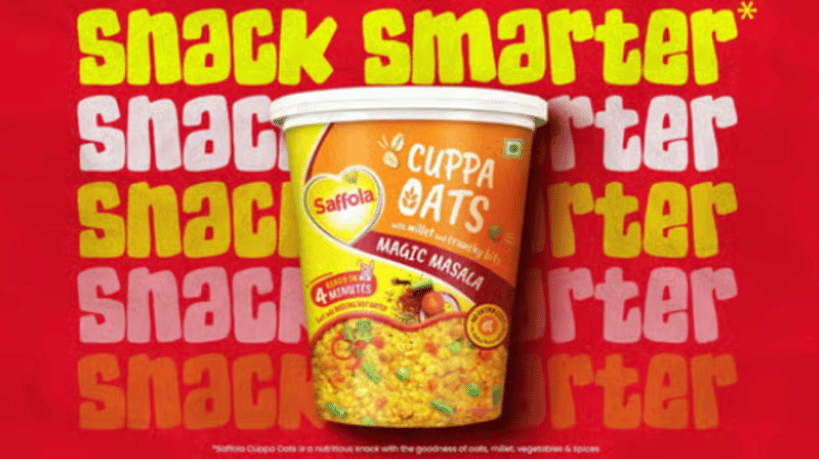
Image credit: Blinkit
In India, quick commerce turns retail visibility into an operational and algorithmic question. Brands need to know how they appear, where they appear, what they are paired with, when they disappear, and what replaces them. The battle for shelf space is now becoming a battle for inclusion inside technology that decides what the consumer sees first.
India’s Cities Are Becoming Micro-Markets
A dark store in South Delhi is not serving the same consumer reality as one in Noida or Gurugram, reflecting different urban demand patterns. Even within the same metro, neighborhoods can differ sharply in income, household routines, food habits, brand familiarity, and willingness to pay. Physical retail stores often blurred those differences by serving broad catchment areas, while quick commerce sharpens them by capturing demand much closer to where people live.
Brands operating in India’s quick commerce market can no longer rely on broad national or metro-level assumptions about consumer demand. Products may perform strongly in one area and struggle only a few kilometers away, forcing brands to think far more locally about assortment, pricing, inventory, and positioning. Premium products may resonate near office districts, gated communities, or higher-income housing clusters, while value packs move faster in neighboring catchments. Health-led products may gain traction where fitness culture is already established, but stall where consumer priorities differ.
Quick commerce data allows brands to analyze these patterns at a far more localized level than traditional market intelligence, revealing whether demand is genuinely sustained, driven by promotions, highly price-sensitive, or dependent on formats better suited to specific neighborhoods. Those signals can influence everything from launch planning and media targeting to packaging strategy, inventory allocation, and retail investment decisions.
Quick Commerce Is Creating New Category Winners
India’s “10-minute” delivery boom is creating space for products that were harder to fit into a conventional grocery run, where the strongest opportunities often lie outside staples, in categories where purchase decisions depend on timing, mood, or urgency.
Reuters reported that India’s quick commerce sector accounted for more than two-thirds of all online grocery orders in 2024 and is expanding into new categories and geographies. The channel is no longer only changing grocery fulfillment, but widening the range of products that can be bought in small, immediate, high-intent moments.
Instant food and café commerce is becoming the next battleground, with Blinkit Bistro, Zepto Cafe, and Swiggy Snacc moving the model from pantry replenishment into coffee, snacks, ready-to-eat meals, and office consumption, while BigBasket is preparing a “10-minute” food delivery expansion using its dark-store network and a menu that includes Tata-owned Starbucks and Qmin. The shift brings quick commerce closer to restaurants and cloud kitchens, forcing brands to consider what consumers may replace with an instant alternative.
Myntra’s M-Now shows the same logic moving into fashion, beauty, and lifestyle, with 30-minute delivery across major Indian metros and more than 600 brands available for occasion-led shopping.
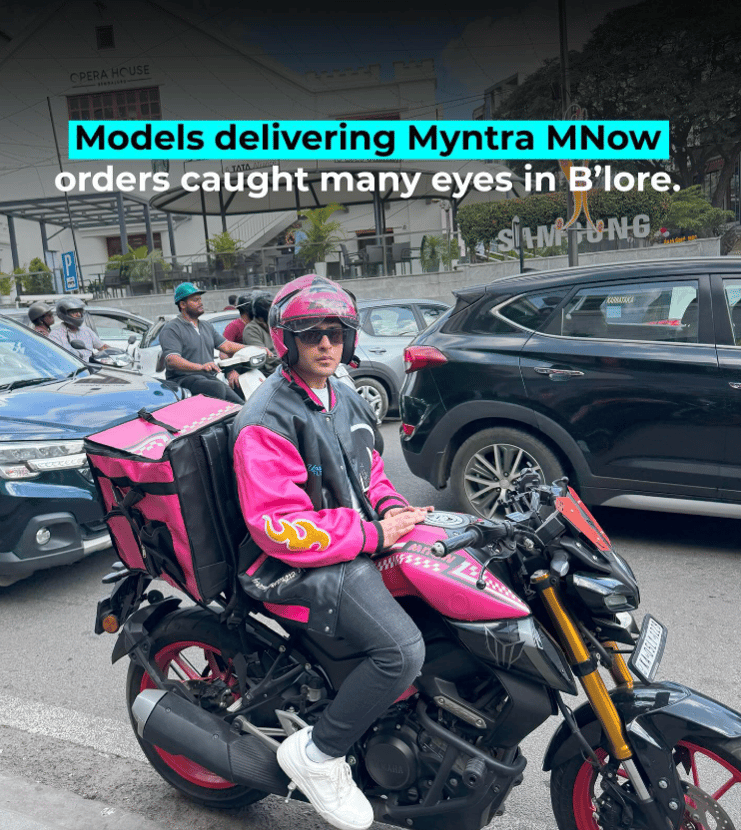
Image credit: officialsocialsamosa Instagram account
Sales Data Alone Will Not Explain Demand
The challenge with the rise of online convenience is that sales data can only show what moved, but it cannot always explain why.
A product may sell well because consumers genuinely want it, or because the platform makes it easier to find, cheaper to choose, or harder to avoid. Without understanding the reason, brands risk mistaking short-term movement for durable strength.
Demand planning becomes more sensitive to everyday rhythms. Festivals, weather shifts, cricket matches, payday cycles, school reopenings, and late-evening order windows. The planning question is what to stock, but also where to place it, and which formats deserve priority.
Quick commerce generates a high volume of behavioral data, but its value lies in linking transactions to context. Market research can show what appears in the consumer’s order and why it appeared there.
Quick commerce data is becoming less valuable for performance reporting and more valuable for revealing the conditions behind demand, allowing brands to shape product, pricing, packaging, and media decisions around how consumers actually buy.
Quick Commerce Is Exposing Portfolio Bloat
Many large brands carry SKU lists that have grown over years of launches, extensions, seasonal packs, and channel-specific experiments. In traditional brick-and-mortar retail environments, that complexity could be spread across supermarkets, distributors, marketplaces, and specialty stores. But in quick commerce, weak SKUs become much easier to spot.
Brands also gain a far clearer view of portfolio strength, helping them distinguish products that are genuinely useful from those that depend on discounting, weak competition, or outdated pricing structures. The data can also reveal gaps in the portfolio itself, such as the absence of an accessible premium tier, a smaller trial format, or a more competitive replacement SKU.
Quick commerce puts pressure on brand portfolios to prove their relevance. Products that once looked acceptable in broad sales reports may look weak when measured against movement, margin, and order-level usefulness. The uncomfortable value is that it shows which products deserve more investment, which need sharper positioning, and which may have survived only because older channels gave them more room to hide.
Quick Commerce Shows How Strong Brand Loyalty Really Is
Quick commerce strips loyalty down to a simple question: what does the consumer do when their preferred brand is unavailable?
Repeat purchases can look stronger than they are. A product may be bought often because it is familiar, easy to find, or simply part of a household routine. That does not mean the consumer is attached to the brand.
When the preferred brand disappears from the app, loyalty is revealed by whether consumers search for it, pay more, switch brands, or abandon the purchase entirely. In quick commerce, loyalty is measured less by repeat purchases than by the effort consumers are willing to put in when the easiest option is no longer available.
The Next Advantage Is Knowing Which Products Deserve Priority
India’s "10-minute" delivery boom is moving faster than many brands can handle.
That does not mean every brand should chase every platform, SKU, or moment of availability. The main risk is treating quick commerce as a sales channel when it changes the rules of demand.
The brands that benefit most will become more selective and treat quick commerce as a live test of usefulness, not just another route to market.
The Indian market matters because it shows how quickly consumer expectations reset when convenience becomes dependable. Once that happens, the brand challenge becomes more demanding with products needing a clear role at the moment of need.
Quick commerce began with the promise of speed. It now reveals an unforgiving retail landscape, where weak products, unclear positioning, and inconsistent availability have fewer places to hide.
At Kadence, we help brands understand where consumer demand is shifting, what shoppers choose in the moment, and how to stay visible when convenience becomes expected. Speak to us about what this could mean for your brand.
FAQs
What is quick commerce in India?
Quick commerce in India refers to near-instant delivery platforms such as Blinkit, Zepto, and Swiggy Instamart, which deliver groceries, personal care, snacks, household essentials, and other products in minutes.
Why is quick commerce growing so quickly in India?
Quick commerce is growing in India because dense urban markets, digital payments, mobile-first consumers, and high demand for convenience have made fast delivery part of everyday consumption.
How is quick commerce changing consumer behavior in India?
Quick commerce is changing how consumers plan, stock, spend, and make impulse decisions. It allows households to quickly address immediate needs, making shopping more situational and less dependent on planned grocery trips.
Why should brands care about quick commerce in India?
Brands should care because quick commerce changes visibility, assortment, substitution, pack strategy, and loyalty. A product may be known and distributed, but still lose out if it is not available or visible at the moment of need.
Which research methods help brands understand quick-commerce behavior?
Basket analysis, digital ethnography, pricing research, and substitution studies can show whether a product is being chosen out of preference, convenience, urgency, or lack of a better alternative.
How does quick commerce affect brand loyalty?
Quick commerce reveals whether loyalty is real or driven by habit, price, visibility, or convenience. When a preferred product is unavailable, the consumer’s response shows whether the brand is essential or easily replaced.