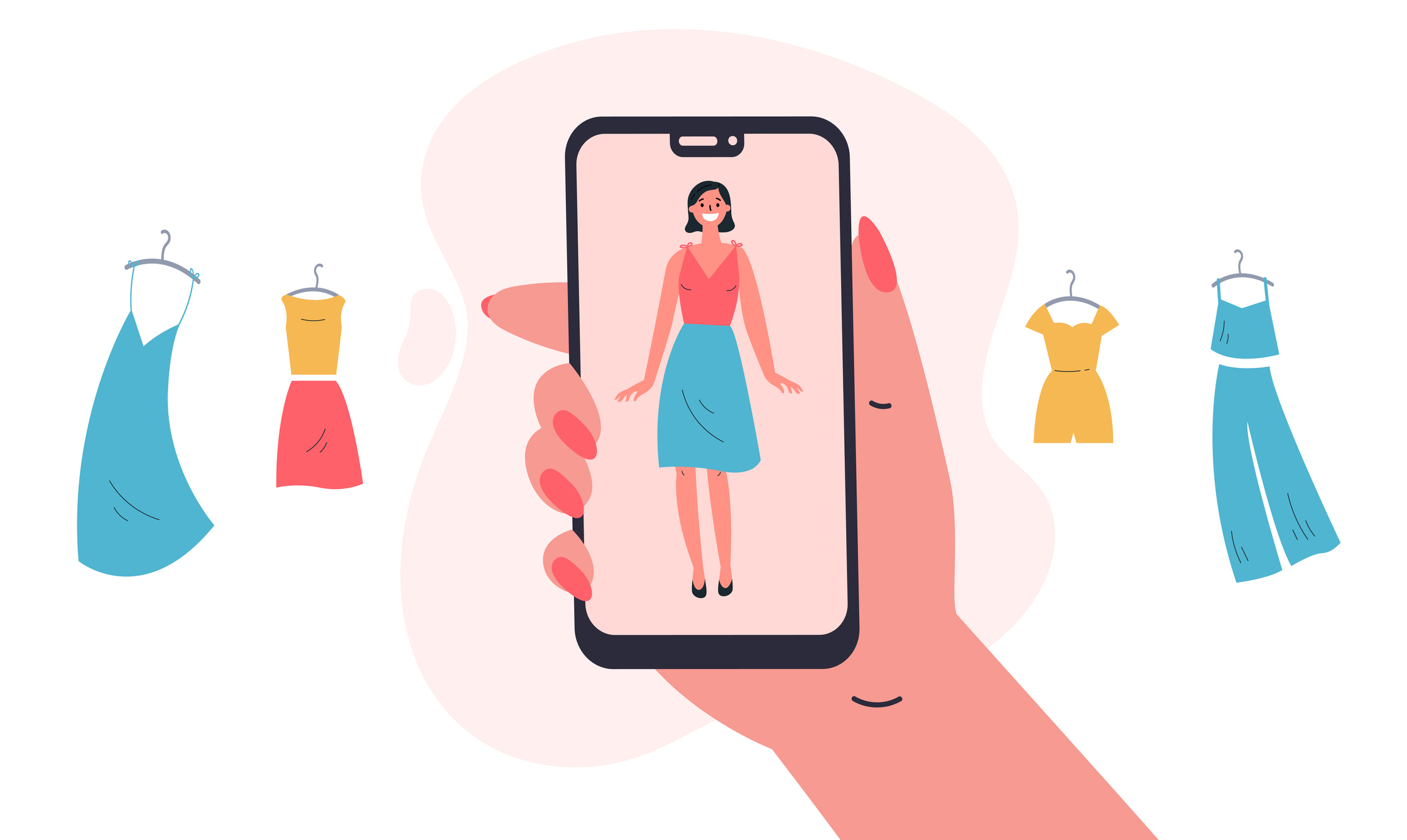

E-commerce has given brands a sharper view of consumer behavior than physical stores. A shopper’s online journey can be read in detail, from the products they compared and saved to the reviews they checked, the carts they abandoned, and what brought them back. Inside a store, much of that decision-making remains harder to see. Brands can measure what happened at checkout, but much of the decision-making before that point goes unnoticed.
Smart mirrors and virtual try-on tools are beginning to give brick-and-mortar stores a clearer view of how shoppers explore products before they buy. In categories where fit, shade, and style shape the decision, the technology lets shoppers see whether a product feels right before they commit.
Why Digital Mirrors Matter Now
Digital mirrors are gaining relevance because the cost of misreading demand has become harder to absorb. US retailers returned nearly $850 billion in 2025, according to the National Retail Federation, underscoring how costly the gap between expectations and experience can be. An incomplete view of consumer intent can lead brands to overpromote a product, discount it too early, or cut it before its potential is understood.
Retail media has also changed the role of the store, making physical locations more important to how brands shape and measure demand before the transaction is recorded.

The Brands Turning Virtual Try-On Into Retail Infrastructure
Stores do not need more technology for its own sake. Shoppers want a store that responds more quickly to their needs. The technology only matters when it makes the customer’s experience simple and more useful to the business.
Sephora’s Virtual Artist shows how beauty retailers have used AR to make product exploration easier. In Southeast Asia, Sephora used cross-channel messaging to drive a 28% increase in Virtual Artist adoption and a 48% increase in overall traffic to the feature, according to Braze. While largely app-led, the example shows how virtual try-on can move beyond product play and become part of the shopper journey.
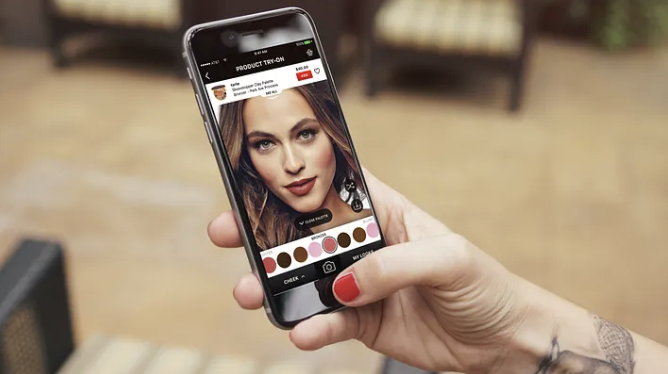
Image credit: micahriveradotcom
Rebecca Minkoff’s connected stores offer a clearer view of what happens when digital interaction moves into the fitting room. Digiday reported that the brand could see which items shoppers took into fitting rooms, which products were bought and which were left behind, and where new product opportunities might lie. The value was not the mirror alone, but the ability to connect fitting-room behavior with commercial decisions.
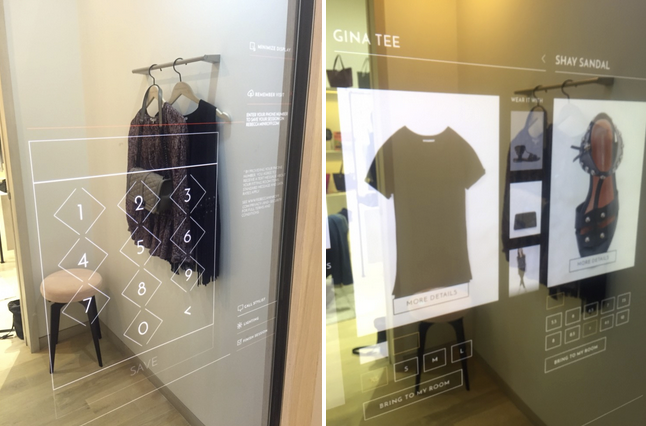
Screens inside Rebecca Minkoff’s fitting rooms: to enter your phone number (left) and to browse suggested items.
Image Credit: Digiday
Alibaba and Guess offer a stronger in-store operating model with their FashionAI concept store in Hong Kong. RFID-linked smart mirrors turned the fitting room into a connected service point, linking product information, styling recommendations, virtual carts, and staff support. The mirror was not treated as a screen on the wall, but as part of the store’s operating system.
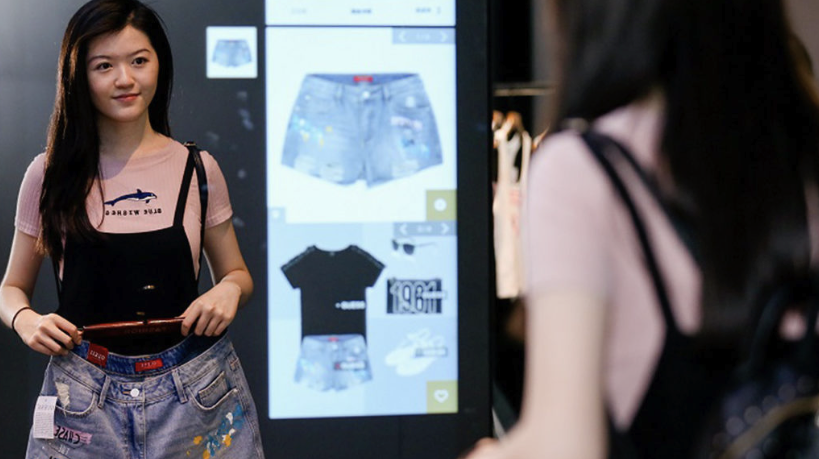
Image credit: Alistdaily
The strongest in-store models do more than help shoppers visualize products; they connect the fitting room, inventory, staff support, and product interest into one retail system.
The New Battleground Is Pre-Purchase Confidence
In categories where fit, shade, and style shape conversion, the gap between interest and purchase can be easy to misread. A shopper may like the product and understand the brand, yet still pause because the final judgment is personal: does it suit me, fit me, or feel worth it once I leave the store? A weak sale can then be mistaken for low demand, poor merchandising, or a pricing issue when the real barrier is uncertainty.
Repeated try-on activity paired with weak conversion can point to a product that needs more help before teams start cutting price, space, or investment. Treating every weak sale as weak demand can push brands into costly corrections before the real barrier is understood.
The Trust Test Behind the Technology
Digital mirrors ask shoppers to share something more personal than a click, search, or scan. They bring appearance, identity, and preference into the retail data exchange.
A consumer may accept a virtual lipstick try-on if the value is clear, the experience feels useful, and the data exchange is easy to understand. The same consumer may reject the experience if the mirror appears to capture too much, remember too much, or follow them too aggressively after they leave the store.
Poor execution can make the experience feel exposing rather than useful. A mirror that misreads the shopper’s appearance or context can make the brand feel careless at the very moment it is asking for personal trust.
The consent model has to be as clear as the interface. If the experience is shaped by what the mirror sees or remembers, the exchange should be clear before the session begins. The more personal the interaction feels, the more visible the value exchange has to be.
Global brands need to be especially careful here, as comfort with facial analysis and in-store data capture will vary widely by market and context. A feature that feels convenient on a personal device may feel invasive on a public smart mirror. A luxury client may welcome a saved styling profile if it improves service, but reject the same system if it feels like surveillance.
The consumer should never have to guess what the mirror is doing. Brands that make the data exchange clear, useful, and controlled will have more permission to personalize. Brands that hide behind novelty risk turning a promising tool into another reason for shoppers to hold back.
Where Market Research Turns Mirror Data Into Insight
Digital mirrors create a new behavioral record, but market research provides the context it needs. A long session with a single product may look like interest, while the shopper may be waiting for staff, playing with the technology, or trying to resolve a concern the mirror alone cannot answer.
The research task is to connect the store moment to what happened after the shopper left. Without that, brands may mistake attention for intent, or miss the difference between curiosity, confusion, and genuine purchase interest.
Brick-and-Mortar Store Metrics Will Have to Change
Physical retail has long been judged by what happens inside the store. Those measures still matter, but they miss part of the store’s influence when the customer journey continues elsewhere.
Digital mirrors make that attribution problem harder to ignore. A shopper may use the in-store mirror, then complete the purchase later via an app, website, or another location.
Measurement only matters if the business knows who is responsible for acting on it. Mirror data becomes commercially useful when teams know who is accountable for interpreting it and what level of evidence is needed before anything changes. The strongest market research programs define how the data will be interpreted and used before rollout.
A store can still create value when the transaction happens elsewhere by shaping what the shopper does next and showing which products deserve more attention. Retail teams need a way to measure that influence if they are expected to defend continued investment.
The business case depends on attribution. If a mirror interaction influences a later purchase, a return decision, or a CRM response, the store has created value that traditional reporting may not credit. That changes how retail investment should be judged.

The Store Becomes an Early Warning System
The store becomes an early warning system when it reveals problems before the numbers make them obvious. It can show where support is needed before a brand commits more resources.
Interaction data should be read with the evidence brands already use to judge performance. Together, those sources can show whether the business should support the product more heavily, adjust locally, or rethink the plan.
The companies that learn fastest will use the store to spot what needs to change before the market exposes the problem.
Brands do not need more data without a clearer direction. Kadence helps brands understand what shopper behavior means and which decisions it should shape. Need sharper insight into how shoppers make decisions? Get in touch.
FAQs
What are digital mirrors in retail?
Digital mirrors are smart mirrors or virtual try-on tools that let shoppers see how products may look on them before purchase. They are most common in beauty, fashion, eyewear, accessories, and luxury retail.
Why do digital mirrors matter for brands?
Digital mirrors help brands understand what shoppers explore, compare, and hesitate over before they buy. This can reveal demand signals that traditional sales data may miss.
How can digital mirrors support market research?
Digital mirrors generate behavioral data that researchers can pair with interviews, observations, post-visit surveys, transaction data, and loyalty analysis to understand why shoppers behave the way they do.
What risks should brands consider with digital mirrors?
Brands need to manage privacy, consent, accuracy, cultural comfort, and transparency. Shoppers should understand what data is being collected and how it may be used.
How can digital mirrors change retail performance measurement?
They can help brands look beyond same-day sales by showing how in-store interactions influence later purchases, returns, CRM response, product interest, and future retail investment decisions.