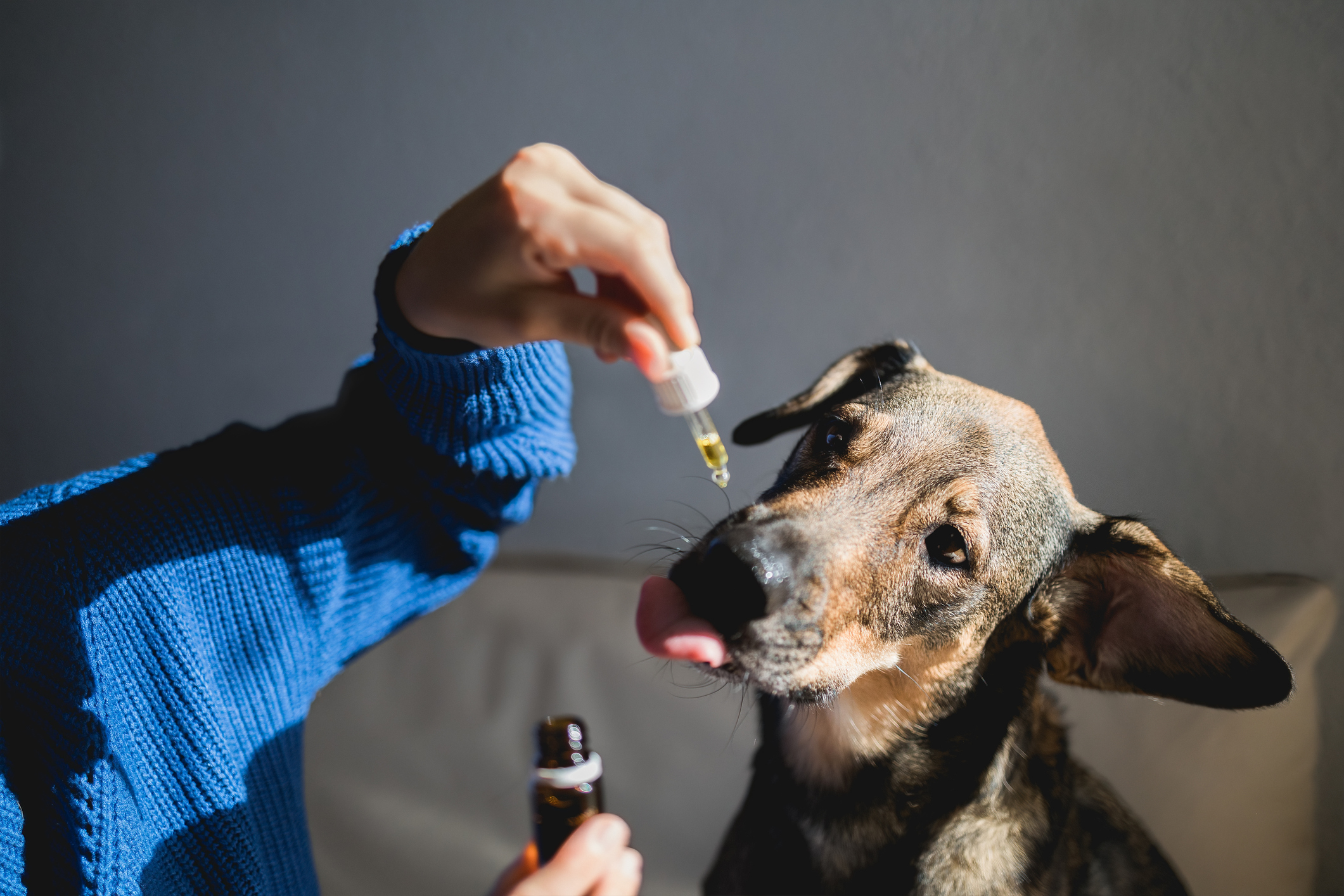

In animal healthcare, a single treatment is no longer enough. This shift reflects broader animal healthcare trends, in which integrative veterinary care is increasingly adopted across both clinical and at-home settings. As alternative therapies in animal healthcare move into mainstream use, treatment is increasingly structured around combinations of interventions rather than a single prescribed solution.
Pet owners are now managing care across multiple sources, combining veterinary guidance with a growing range of alternative options to support long-term health. These include acupuncture, laser therapy, rehabilitation, CBD, personalized nutrition, and, in some cases, genetic testing and regenerative approaches. Non-invasive, integrated, and personalized methods for managing pain, mobility, anxiety, and chronic conditions are becoming standard components of animal care routines.
The result is not just more choice, but more variation in how care is applied. Many animal health brands continue to treat these approaches as a niche, rather than as part of how care is now delivered, creating a gap between how products are positioned and how they are actually used.
How Alternative Therapies Are Changing Animal Healthcare
Alternative therapies in animal healthcare are changing how care is delivered, shifting the focus from one-time treatment to ongoing management.
Animal health now extends beyond diagnosis, with at-home care focused on maintaining function rather than resolving a condition in a single step.
Recent data from our study of veterinary professionals across the UK and US, aging-related care, and pain management stand out as the areas expected to see the strongest growth over the next few years.
In rehabilitation and physiotherapy, providers such as the Royal Veterinary College in the UK integrate mobility support into clinical pathways, and specialist providers such as J-ARM in Japan focus on maintaining function in aging populations where recovery alone does not address long-term decline.
Laser therapy and acupuncture are used for similar reasons, particularly when pharmaceutical medicine alone does not sustain outcomes over extended periods. Their role sits within continuous care, supporting function, and reducing deterioration rather than replacing traditional medicine.
Large veterinary networks like Mars Veterinary Health are expanding into rehabilitation and integrative services across their European operations to better align their models with ongoing care.

Integrative Veterinary Care Is Replacing Single-Treatment Models
Integrative veterinary care is becoming the operating model for animal healthcare, replacing systems built around single-condition treatment. Rather than relying on one intervention, care is increasingly structured around combinations of therapies that are introduced, adjusted, and maintained over time.
This change is visible across clinical settings. Veterinary networks are expanding into rehabilitation and complementary services, integrating mobility support, pain management, and behavioral therapies into standard care pathways. These approaches are not positioned as alternatives to conventional medicine, but as extensions of it.
The logic of treatment is also changing. Therapies such as acupuncture, laser treatment, and rehabilitation are used to support function and manage decline, particularly in chronic conditions where resolution is not immediate. Their role sits within ongoing care, working alongside pharmaceutical treatments rather than replacing them.
At institutions such as the Schwarzman Animal Medical Center, integrative care is embedded into clinical practice. Multiple therapies are used in combination when single interventions fail to sustain outcomes, particularly in arthritis, neurological conditions, and long-term recovery.
Outcomes are defined differently in this model. Progress is measured over time, and treatment is adapted as conditions evolve. In that environment, the effectiveness of care depends less on individual interventions and more on how well therapies are coordinated within a continuous system.
Why Non-Pharmaceutical Treatments Are Being Used Earlier in Animal Health
Pharmaceutical treatments remain central to animal health, but their position has shifted, with non-invasive options increasingly introduced earlier.
The rapid growth of CBD is driven by the demand for safer alternatives to manage comfort and behavior. Cornell University’s College of Veterinary Medicine found that introducing CBD before stressful events can reduce stress-related behaviors in dogs, although clinical evidence is still developing.
These therapies are often used before full clinical validation is established, leaving a gap between adoption and certainty for both brands and providers.
Botanical and herbal remedies follow a similar trajectory, particularly in Asia, where Traditional Chinese Veterinary Medicine is already integrated into broader animal health systems and used with Western approaches to manage long-term conditions.
Pet owners now draw on multiple sources. Veterinary guidance remains central, but competes with digital content, peer recommendations, and direct-to-consumer products that influence what is used and how therapies are combined.
How Personalized Pet Healthcare Is Changing Treatment Decisions
Standardized approaches are becoming less effective in situations where outcomes depend on variation in health profile, breed, age, and lifestyle.
Genetic testing provides one entry point into this shift. Brands such as US-based Basepaws offer breed-specific insights that inform decisions on diet and prevention, particularly when owners seek to anticipate risk rather than respond to it.
Nutrition has also evolved in parallel. Butternut Box, a UK-based brand, positions tailored meal plans as part of long-term health management, linking feeding directly to outcomes rather than treating them as routine purchases.
In China, brands such as PETKIT integrate monitoring into everyday products, generating continuous data on activity and behavior. While interpretation remains uneven, access to this data is already influencing how owners respond to changes in condition.

Image credit: Basepaws, Butternut Box, PETKIT
Over time, these inputs move animal healthcare away from fixed protocols, as treatments are adjusted in response to changing conditions rather than set at diagnosis.
Where Holistic Pet Care Breaks Down for Brands
Most animal health brands continue to treat alternative therapies as a niche, positioning them as add-ons rather than as part of how care is delivered.
This approach holds in an episodic model, where treatment is discrete, and outcomes are tied to a single intervention. It breaks down where conditions require ongoing management and where multiple therapies are coordinated over time.
At the Schwarzman Animal Medical Center, integrative care is embedded rather than added on. Rehabilitation, acupuncture, and complementary therapies are used with conventional medicine when single interventions fail.
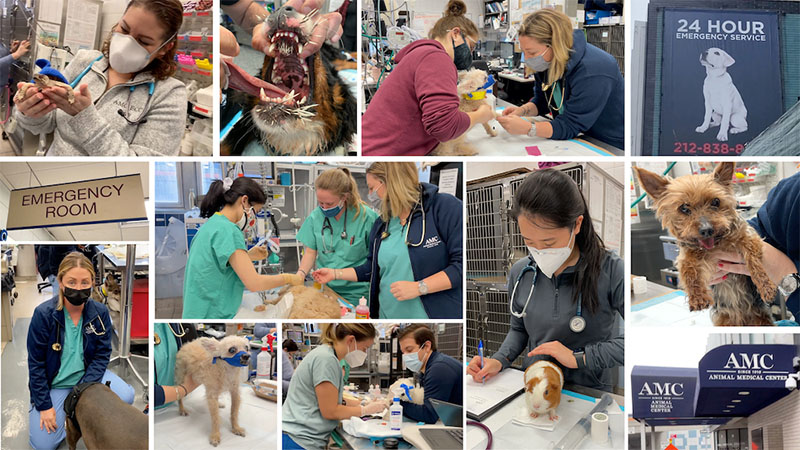
Image credit: AMC NY
These cases are common in arthritis, neurological conditions, and recovery, where progress is measured over extended periods rather than at discharge. Care is coordinated across multiple therapies, with treatments adjusted as conditions evolve.
Brands often fail because of poor positioning, not a lack of demand. When alternative therapies are treated as peripheral, the products associated with them are also marginalized, even when they are used regularly.
Products are used inconsistently or dropped when they do not fit with how care is actually managed, while others become less relevant as additional therapies are introduced or bundled into broader service models.
Expanding the product range does not resolve this issue. It increases the likelihood of substitution without improving relevance in how treatments are selected, combined, and maintained.
Brands built around single-condition solutions or one-time treatments lose distribution as care becomes continuous, because they cannot maintain a role once the initial intervention has passed.
How Pet Owners Make Healthcare Decisions Today
The expansion of therapies has increased choice, but it has also made decision-making more complex.
Pet owners are now expected to navigate combinations of therapies, supplements, rehabilitation, and lifestyle changes, often without a clear understanding of how these elements fit together or when to use them. Without guidance, this leads to inconsistency, early abandonment, or reliance on whichever option appears simplest at the time.
This is where education becomes a constraint rather than a support function.
A useful example is Canine Arthritis Management, which brings together veterinary guidance, supplements, physical therapies, and environmental adjustments into a structured approach to managing arthritis. The platform does not just present options. It shows how they connect, when they should be introduced, and how outcomes should be monitored over time.
That structure addresses a gap most brands leave unresolved. Without a clear framework, therapies are used inconsistently, often discontinued before results are visible, or replaced by alternatives that are easier to manage.
For animal health brands, this shifts the role of education. It is no longer about awareness or product information. It is about enabling coordinated use that includes multiple therapies and decision points.
This requires a multi-channel approach where digital content, veterinary guidance, and product experience are mutually reinforcing, rather than independent. As more decisions are formed outside the clinic, the point at which veterinary professionals shape those decisions is reduced, shifting their role toward validating choices that are increasingly made before consultation.
Without this layer, holistic care does not scale. It fragments, and in that fragmentation, products lose consistency of use and are more easily replaced.
What Animal Health Brands Must Do to Stay Relevant
Ongoing management shifts where value is captured and how it is retained.
Revenue increasingly comes from long-term models such as services, subscriptions, and bundled solutions that encourage repeat engagement. This contrasts with one-time product transactions, which only capture value at the point of sale.
Maintaining relevance within continuous care often requires reduced margins on individual products, greater reliance on partnerships, and less control over the full treatment course. Without these adjustments, however, products lose continuity of use.
Credibility becomes a determining factor in whether products remain in use. As more therapies enter the market, clinical validation and transparency influence whether solutions are retained or substituted over time.
Timing also shifts. Decisions are increasingly shaped before consultation, meaning that brands not present at the early stages of evaluation are less likely to be included later in the course. In practice, this reduces brands' ability to influence decisions at the point of purchase, shifting relevance toward earlier stages of evaluation.
Animal Healthcare Trends Reshaping the Future of Care
As care becomes more complex, the brands that remain in use will not be those with the broadest portfolios, but those that make their products usable within ongoing care.
Where that coordination is missing, decisions fragment. Therapies are applied inconsistently, abandoned before results are visible, or replaced by alternatives that are easier to manage. In that environment, product performance alone does not secure retention. Usability does.
This places a constraint on growth. Brands that cannot support how care is understood, combined, and adjusted over time will lose relevance, not because demand disappears, but because it shifts toward solutions that are easier to sustain.
Animal health is no longer defined by what is prescribed, but by what continues to be used. For veterinary professionals, this shifts the role from directing care to aligning with decisions increasingly made elsewhere. For brands, relevance depends on remaining part of those decisions beyond the first use, rather than at the point of intervention alone.

FAQs
What are alternative therapies in animal healthcare?
Alternative therapies in animal healthcare include non-invasive approaches such as acupuncture, laser therapy, rehabilitation, CBD, herbal therapies, and personalized nutrition. These therapies are increasingly used alongside conventional veterinary care to manage pain, mobility, anxiety, and chronic conditions over time rather than as standalone alternatives.
Why are alternative therapies becoming mainstream in animal healthcare?
Alternative therapies are moving into mainstream animal healthcare due to rising demand for preventive, personalized, and lower-risk options. As pet lifespans increase and chronic conditions become more common, both veterinarians and owners are adopting approaches that support long-term management rather than one-time intervention.
How are alternative therapies changing veterinary care models?
Alternative therapies are shifting veterinary care from episodic treatment to continuous management. Clinics are integrating rehabilitation, complementary therapies, and monitoring into care pathways, creating models where outcomes are managed over time rather than resolved through a single treatment.
What do alternative therapies mean for animal health brands?
For animal health brands, alternative therapies signal a shift away from single-product solutions toward integrated care systems. Brands need to position products within broader care approaches, support decision-making earlier in the journey, and build clinical credibility to remain relevant as care becomes more continuous.
Do you conduct research in the local language?
What trends are shaping the future of animal healthcare?
Key trends shaping the future of animal healthcare include the rise of integrative care, increased use of non-pharmaceutical treatments, growth in personalized nutrition and genetic testing, and the adoption of digital monitoring tools. These trends are driving a move toward coordinated, data-informed care delivered across multiple touchpoints.
How is pet owner behavior changing in animal healthcare?
Pet owners are becoming more proactive and involved in care decisions, combining veterinary advice with research, peer input, and direct-to-consumer solutions. This shift toward layered decision-making is influencing how treatments are selected, sequenced, and evaluated over time.